DFID SPARC Pastoralist Resilience Strategies Research
Nigeria | 2025
Client: FCDO, CoWater, IDRC, Mercy Corps
Service: MSD
The Supporting Pastoralism & Agriculture in Recurrent & Protracted Crises (SPARC) program, funded by FCDO and IDRC and implemented by CoWater aims to enhance the resilience of poor and vulnerable populations in areas facing protracted crises and conflicts by addressing evidence gaps related to the effectiveness of programs and policies supporting agricultural livelihoods. The program focuses on three priority areas: designing and implementing effective agricultural support programs, providing support for poor households transitioning out of pastoralism, and supporting those aiming to return to pastoralism. SPARC emphasizes research, innovation, and the use of technology to develop cost-effective and efficient delivery of support. The program creates partnerships, undertakes research, supports innovation, and engages with stakeholders to generate evidence that informs the development of inclusive, equitable, and sustainable programs and policies. The approach is rooted in risk-informed development, aiming to reduce risks and build resilience in diverse and dynamic contexts, ultimately contributing to long-term resilience and sustainability in crisis-affected communities
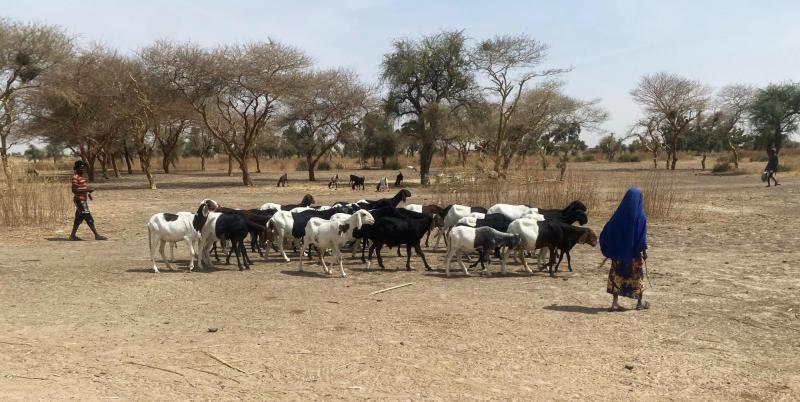
MSA is conducting a qualitative study is to learn more about the strategies pastoralists are using to respond to volatility and uncertainty in the drylands. Specifically, the study will: 1) Identify and categorize the mechanisms, systems and processes pastoralists are employing in response to shifting hazards and shocks in distinct drylands contexts; 2) Identify the factors that influence which approaches pastoralists prioritize when responding to shocks; and 3) From the perspectives of local communities and actors, investigate which approaches appear to be the most effective in building resilience. MSA’s research is shedding light on the pathways of evolution of pastoral systems amidst the continuing and potentially growing volatility in the drylands and should generate clear guidance on opportunities for the design and implementation of livelihood support programming. The study entails a combination of desk review, expert consultation, and qualitative fieldwork.