


MSA Engagement Database
Location
MSA Service
Accelerating Strategies for Practical Innovation and Research in Economic Strengthening (ASPIRES)
Location: Global, USAPartner: PEPFAR, USAID’s Office of HIV/AIDS (OHA) and Displaced Children and Orphans Fund (DCOF) Year: 2014The Accelerating Strategies for Practical Innovation and Research in Economic Strengthening (ASPIRES) project supported evidence-based, gender-sensitive programming to improve the economic security and related health outcomes of highly vulnerable individuals, families, and children. ASPIRES aimed to accelerate the adoption of evidence-based practice by evaluating Household Economic Strengthening (HES) interventions and supporting program configurations most consistent with success in the evidentiary record.
Access to Finance Rwanda Gendered Social Norms Diagnostic
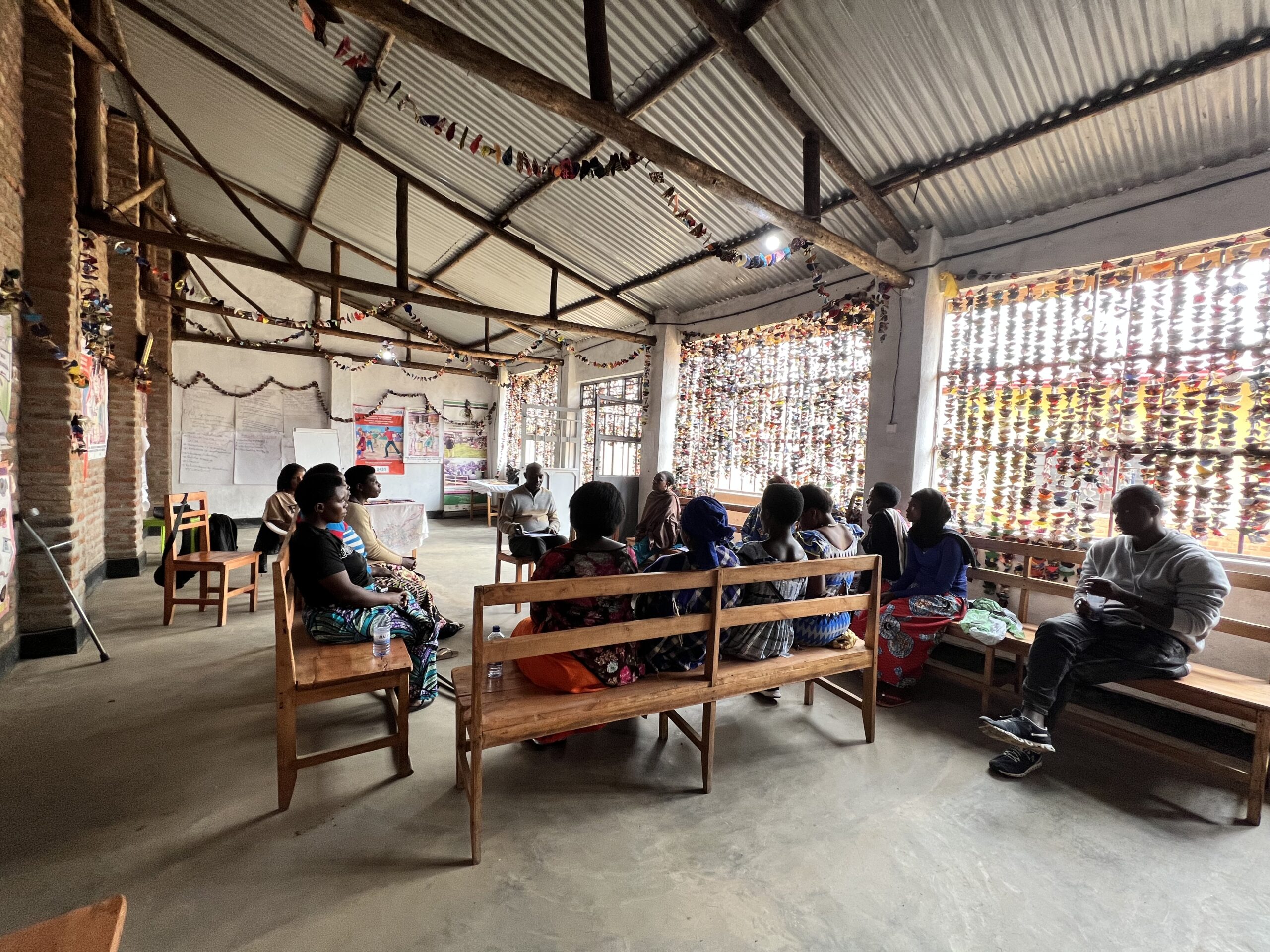
Location: RwandaPartner: Access to Finance Rwanda (AFR)Year: 2021Access to Finance Rwanda (AFR) was a Rwandan not-for-profit organization established in March 2010 by the governments of the United Kingdom (UK) and Rwanda. With support from the UK Foreign, Commonwealth, and Development Office (FCDO), AFR’s strategic focus stimulated financial sector development by partnering with financial institutions and other stakeholders to increase access to, and use of, financial services.
Advancing Women’s Empowerment
Location: GlobalPartner: EnCompass, USAID/Bureau for Food SecurityYear: 2018The 5-year Feed the Future AWE program was implemented by EnCompass LLC and its subcontractors to enhance women’s empowerment and gender equality in agricultural systems and programming. AWE provided targeted technical assistance to USAID missions, implementing partners, the Bureau for Food Security, and other USAID operating units to increase women’s participation, productivity, profit, and benefit in agricultural systems.
Advising on the Employment Strategy for the Mastercard Foundation
Location: GlobalPartner: Mastercard FoundationYear: 2017In 2017 the Mastercard Foundation (MCF) embarked on an ambitious new strategy to enhance educational outcomes and generate millions of new jobs in Africa.

Africa Trade and Investment Learning & Evidence Services
Location: AfricaPartner: USAID, DAIYear: 2024The USAID Africa Trade and Investment (ATI) activity aims to boost economic growth, trade, and investment between the United States and African nations, supporting USAID's priorities of Private Sector Engagement and Financing Self-Reliance.
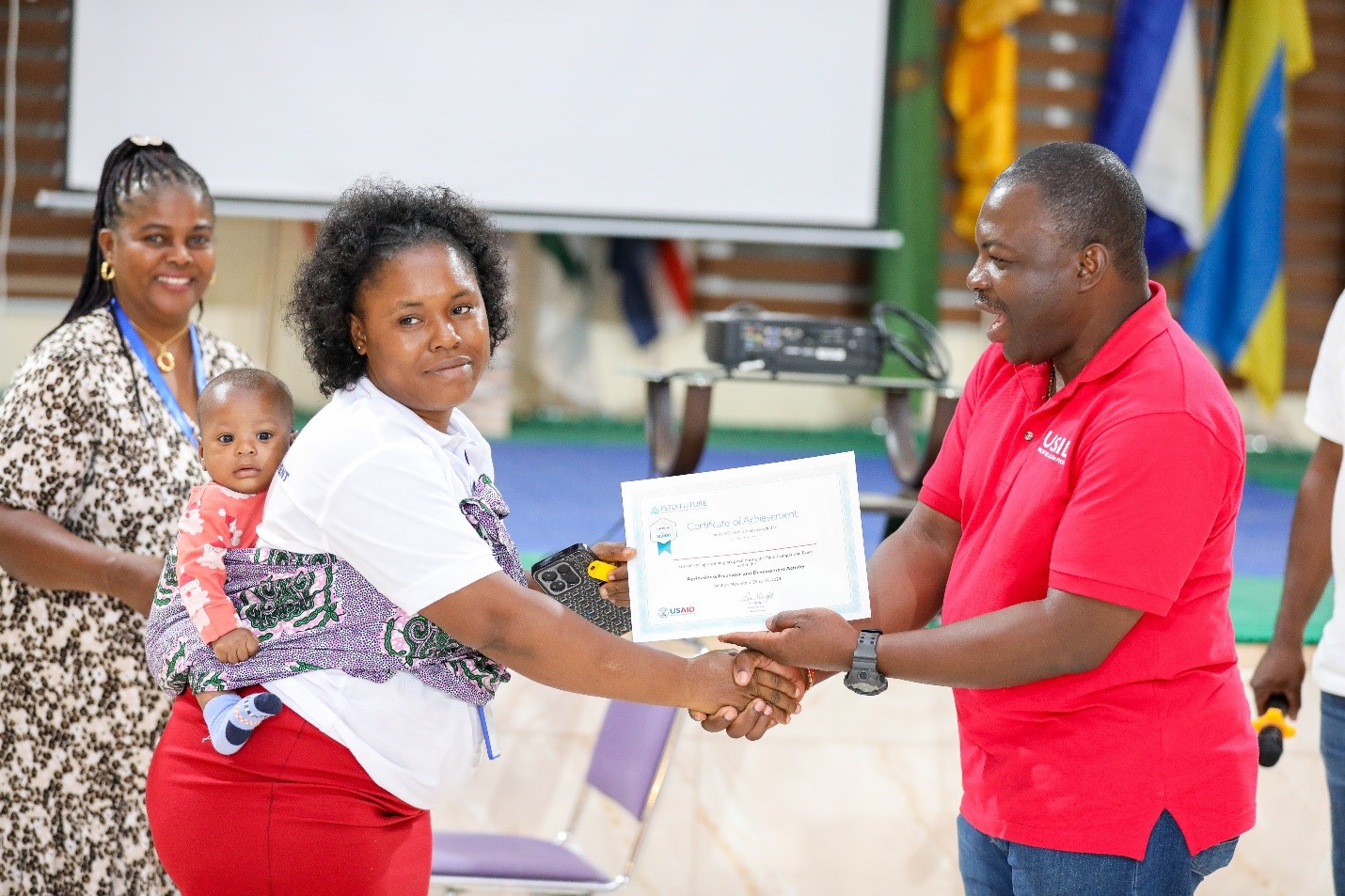
Africa Trade and Investment Liberia Agribusiness Incubator
Location: LiberiaPartner: USAID, DAI, Prosper AfricaYear: 2024The USAID Africa Trade and Investment (ATI) activity aims to boost economic growth, trade, and investment between the United States and African nations, supporting USAID's priorities of Private Sector Engagement and Financing Self-Reliance. The ATI program includes the Liberia Agribusiness Incubator and Development Activity (AIDA), which strengthens Liberia's commercial agricultural sector, particularly benefiting women and youth. The program involves three regional incubators providing training to MSMEs and hosting pitch competitions for grants.
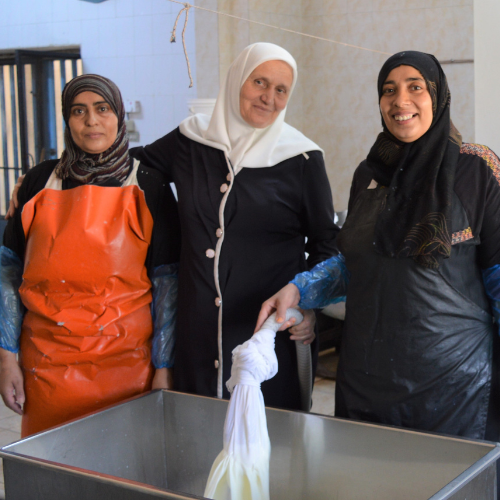
Arab Women’s Enterprise Fund
Location: Egypt, Jordan, PalestinePartner: DFID, DAIYear: 2015The Arab Women’s Enterprise Fund (AWEF) was a five-year program aimed at increasing women’s participation in the economy by fully incorporating gender dynamics into a systems-based approach. AWEF was guided by five key principles: empowerment, systemic change, learning and innovation, adaptability, and understanding political economy/stakeholder dynamics.

Assessing Market Systems Approaches to Improving Job Quality
Location: Africa, GlobalPartner: International Labour Organization (ILO) The Lab Year: 2016The Lab was an International Labour Organization (ILO) project that aimed to generate empirical knowledge and tools on the use of a market systems approach to address decent work issues.

Baseline Survey of the SMAC+ Project
Location: SudanPartner: Caritas Switzerland Year: 2026The assignment involves conducting a baseline survey for the Sustainable Markets and Agribusiness Competitiveness (SMAC+) project implemented by Caritas Switzerland (CACH) in South Sudan. The purpose of the baseline is to establish a robust evidence base to inform program design, validate the Theory of Change, and set benchmarks for measuring systemic change over the life of the project. 1. The study focuses on market systems dynamics within agricultural value chains, with particular attention to: 2. Market actor roles, relationships, and performance 3. Trust, coordination, and market norms 4. Adoption of innovations and business practices 5. Strength and quality of relationships 6. Enabling environment and institutional support 7. Inclusion of women, youth, and returnees The baseline will generate actionable insights to support adaptive management, learning, and evidence-based decision-making throughout SMAC+ implementation.
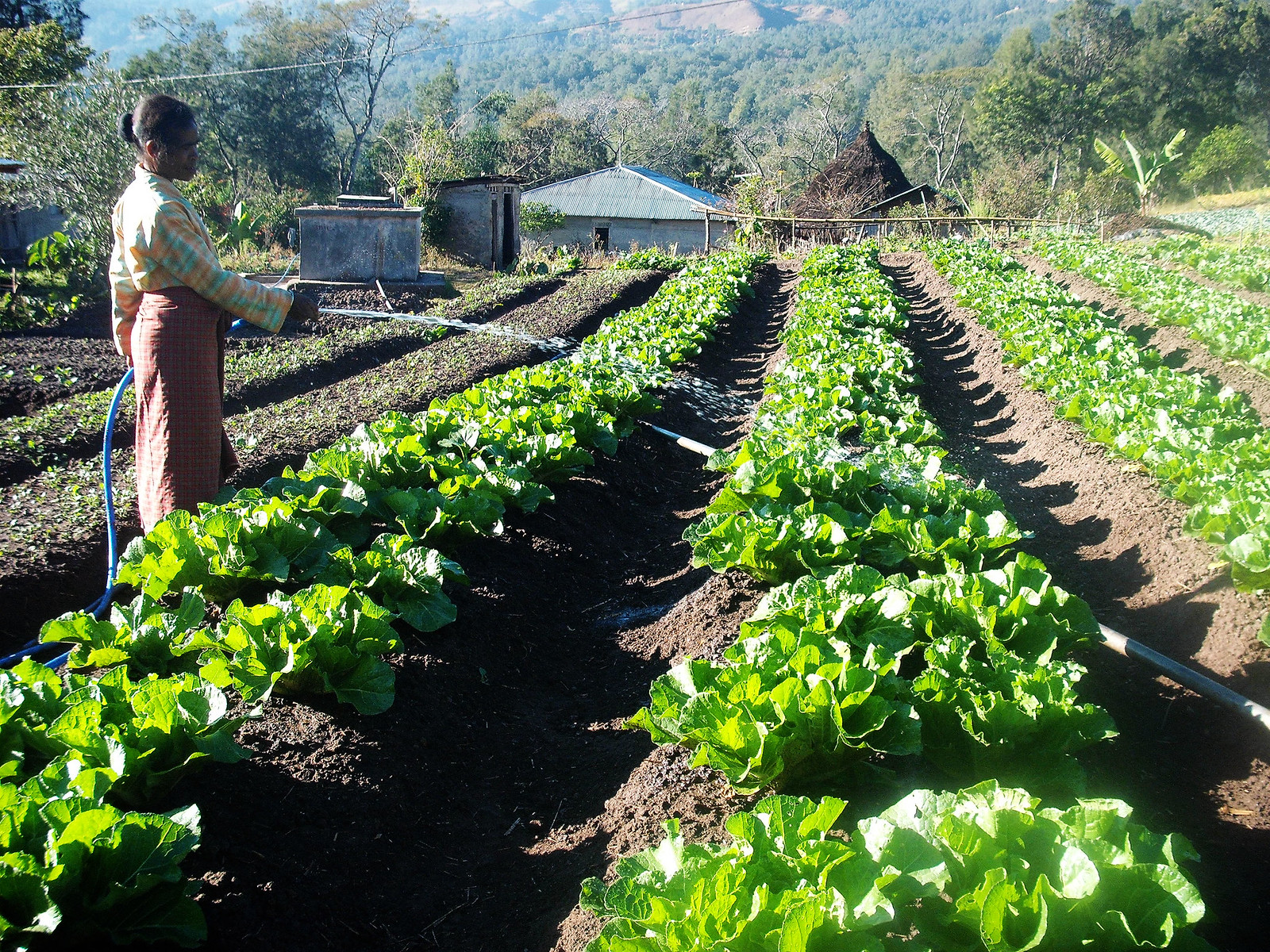
BOSS Evaluation
Location: Timor-LestePartner: International Labour Organization (ILO), Irish Aid, New Zealand AidYear: 2016The International Labour Organization (ILO) Timor-Leste’s Business Opportunities and Support Services BOSS program was a six-year, $11.8-million Private Sector Development project with a core purpose to contribute to employment creation and income generation. BOSS aimed to contribute to the generation of pro-poor economic development and quality employment for women and men by spurring growth of micro and small enterprises (MSEs).
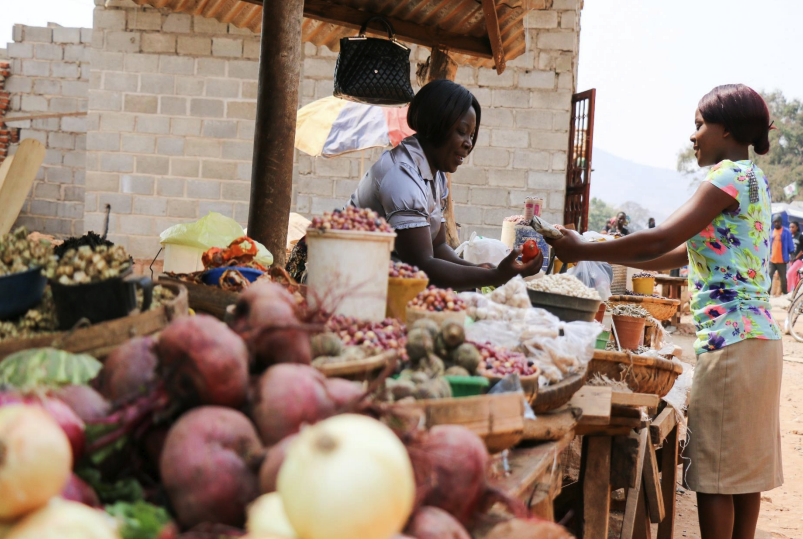
BWI Biosolids Market Sounding Assessment
Location: JordanPartner: CDM SmithYear: 2025The Biosolids Market Sounding Assessment is being conducted under the USAID Building Water Infrastructure (BWI) Activity to support Jordan’s efforts to develop a sustainable and socially acceptable biosolids market. The assessment aims to update BWI’s understanding of current and potential biosolids markets in Jordan and the wider MENA region, informing the finalization of the national biosolids strategy. Through targeted market research, stakeholder engagement, and analysis of end-user perceptions, the project will identify viable market opportunities, key constraints, and practical business models for the safe production, distribution, and use of biosolid products. The findings will guide BWI’s public and private sector engagement pathways and help prioritize partnerships that can address regulatory, social, and economic barriers to biosolids reuse.

CARE Market-Based Approaches (MBA) – Lean Impact Measurement
Location: GlobalPartner: CAREYear: 2021CARE rapidly grew its work in Market Based Approaches (MBA) and aimed to impact over 100 million people by 2030 by catalyzing commercial funds that helped bridge the global funding gap to end global poverty.
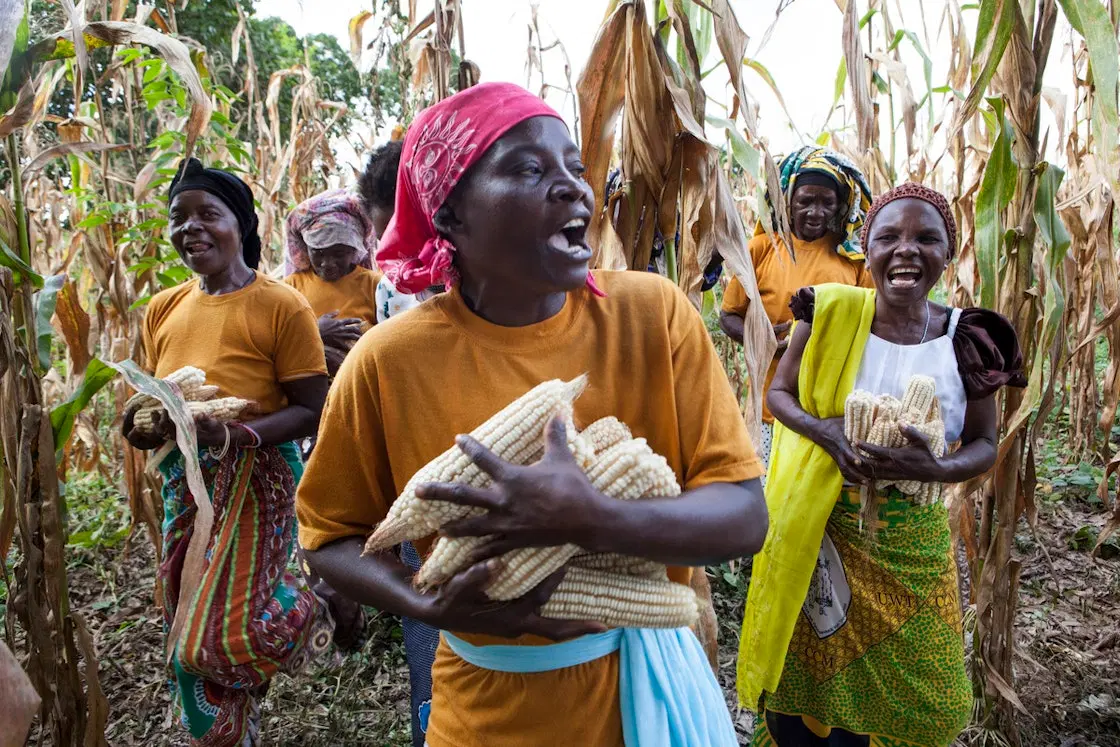
Coastal Rural Support Programme Tanzania
Location: TanzaniaPartner: Aga Khan FoundationYear: 2014The Coastal Rural Support Programme Tanzania (CRSPT) was a long-running initiative implemented by the Aga Khan Foundation and funded by a range of donors, including DFID, the EU, and others. CRSPT operates in Lindi and Mtwara regions of southern Tanzania. One of the initiatives of CRSPT was Food Security and Incomes, a 5-year program funded by DFID focused on the rice and sesame value chains.
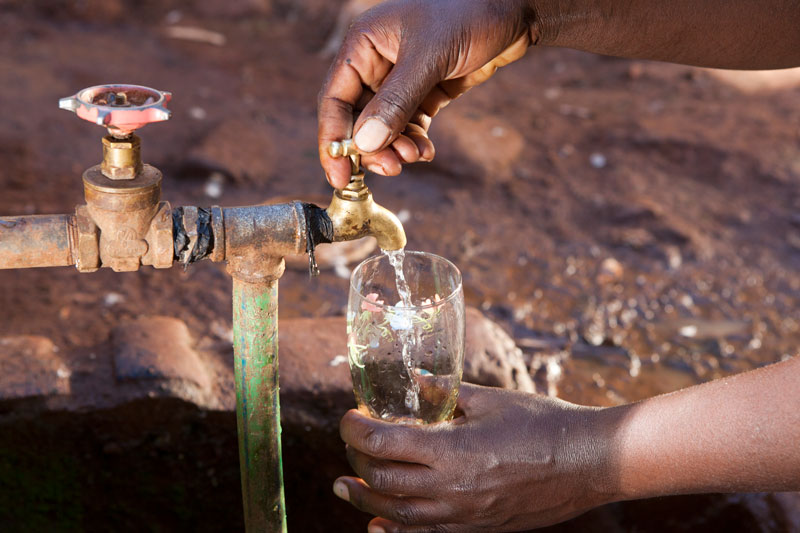
Conducting Market Systems Assessments of the Water, Agricultural Inputs, and Livestock Sectors in Kenya
Location: KenyaPartner: Gatsby Foundation, Kenya Markets TrustYear: 2018Kenya Markets Trust (KMT) was a Kenyan organization funded by DFID and the Gatsby Foundation that workedwith the private and public sectors to catalyze large systemic change. MSA was contracted to assess to what extent systemic change had been created in three systems: water, agricultural inputs, and livest ock.

DCED Audit of the ALCP Project
Location: GeorgiaPartner: MercyCorps, Swiss Development Cooperation (SDC) Year: 2018Alliances Lesser Caucasus Programme (ALCP) was a multi-phase initiative funded by SDC that took a market systems development approach to enhancing the livestock sector in Georgia. Working across much of the country, ALCP incorporated a strong focus on women’s economic empowerment.
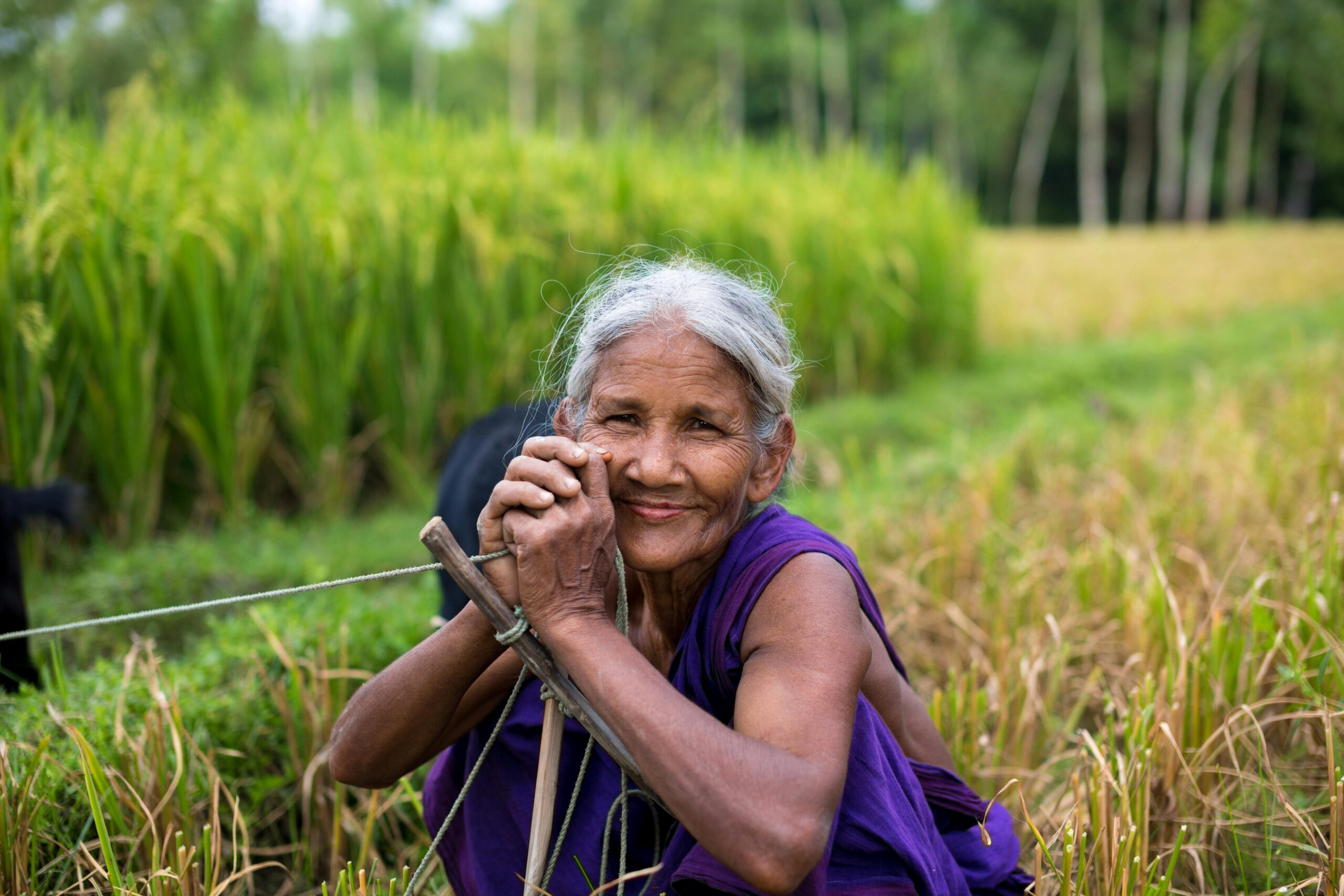
DCED Guidelines on Results Measurement in Women’s Economic Empowerment
Location: Canada, the Netherlands, UK, USAPartner: International Finance Corporation, International Labor Organization & the Donor Committee for Enterprise Development (DCED)Year: 2014The Donor Committee for Enterprise Development (DCED) was a leading source of knowledge about Private Sector Development (PSD).
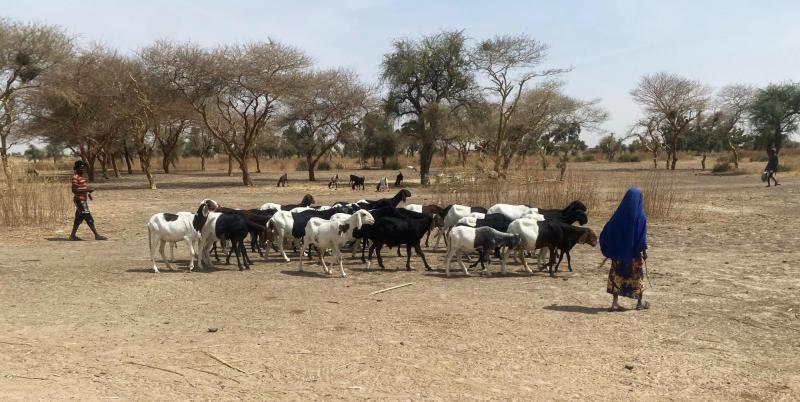
DFID SPARC Pastoralist Resilience Strategies Research
Location: NigeriaPartner: FCDO, CoWater, IDRC, Mercy Corps Year: 2025The Supporting Pastoralism & Agriculture in Recurrent & Protracted Crises (SPARC) program, funded by FCDO and IDRC and implemented by CoWater aims to enhance the resilience of poor and vulnerable populations in areas facing protracted crises and conflicts by addressing evidence gaps related to the effectiveness of programs and policies supporting agricultural livelihoods. The program focuses on three priority areas: designing and implementing effective agricultural support programs, providing support for poor households transitioning out of pastoralism, and supporting those aiming to return to pastoralism. SPARC emphasizes research, innovation, and the use of technology to develop cost-effective and efficient delivery of support. The program creates partnerships, undertakes research, supports innovation, and engages with stakeholders to generate evidence that informs the development of inclusive, equitable, and sustainable programs and policies. The approach is rooted in risk-informed development, aiming to reduce risks and build resilience in diverse and dynamic contexts, ultimately contributing to long-term resilience and sustainability in crisis-affected communities
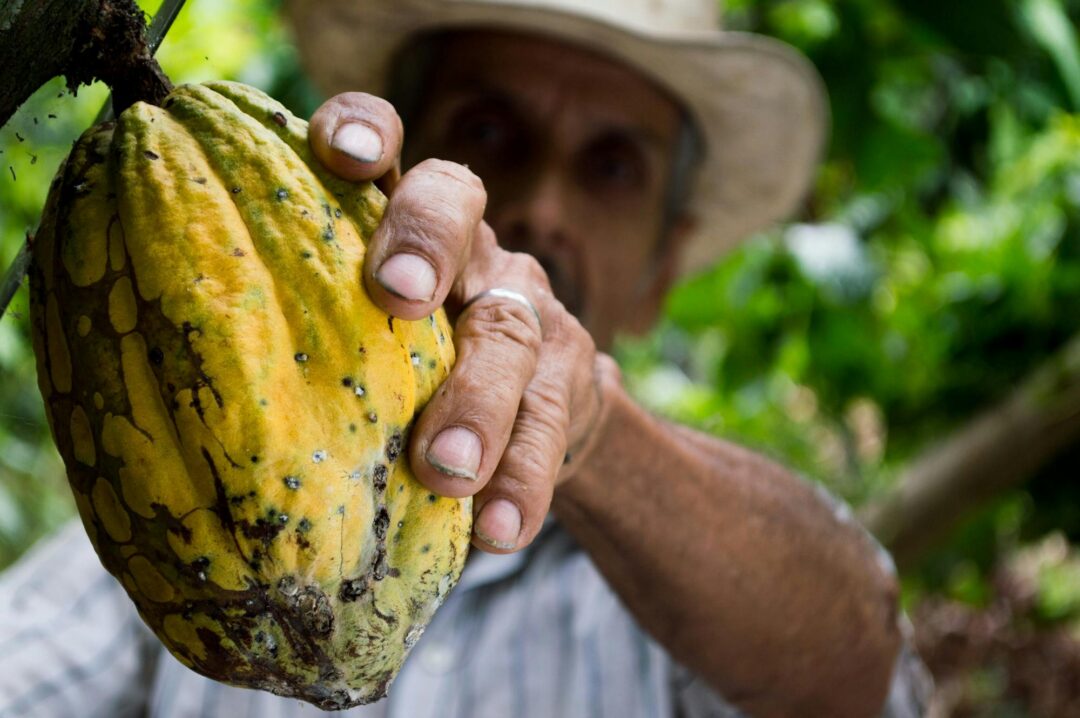
Emprende
Location: PeruPartner: SwissContactYear: 2013EMPRENDE was a coffee-, cacao-, and banana-focused value chain project operating in Peru (San Martín and Piura) and Ecuador from 2013-2016, implemented by SwissContact and funded by SDC. It worked with 8000 farmers, supporting their access to finance, access to markets, good agricultural practices, irrigation, inputs, soil analysis, etc.

Endline Evaluation for East Africa Living Income (EEALI)
Location: Kenya, UgandaPartner: IDHYear: 2025The East Africa Living Income (EALI) Program, implemented by IDH, is a flagship initiative under the Global Coffee Program that seeks to enable coffee-farming households in Uganda and Kenya to achieve a Living and Prosperous Income. The program operates through three field-level projects, implemented by Ibero, Café Africa, and Agri Evolve and two national platforms, the Uganda Coffee Platform (UCP) and Kenya Coffee Platform (KCP). Together, these interventions work to improve farmer productivity, diversify income sources, and strengthen value chain linkages while promoting policy alignment and private-sector accountability. EALI targets approximately 29,500 coffee-farming households, focusing on closing the Living Income gap by addressing five key income drivers: yield, price, cost of production, land size, and income diversification. Beyond the household level, the program supports sector convening, encouraging collaboration among producers, companies, and policymakers to embed Living Income principles in sourcing practices and regulatory frameworks. The endline evaluation builds on the 2024 baseline to assess progress across these dimensions, highlighting lessons to guide IDH’s future strategy and inform broader learning within East Africa’s coffee sector.
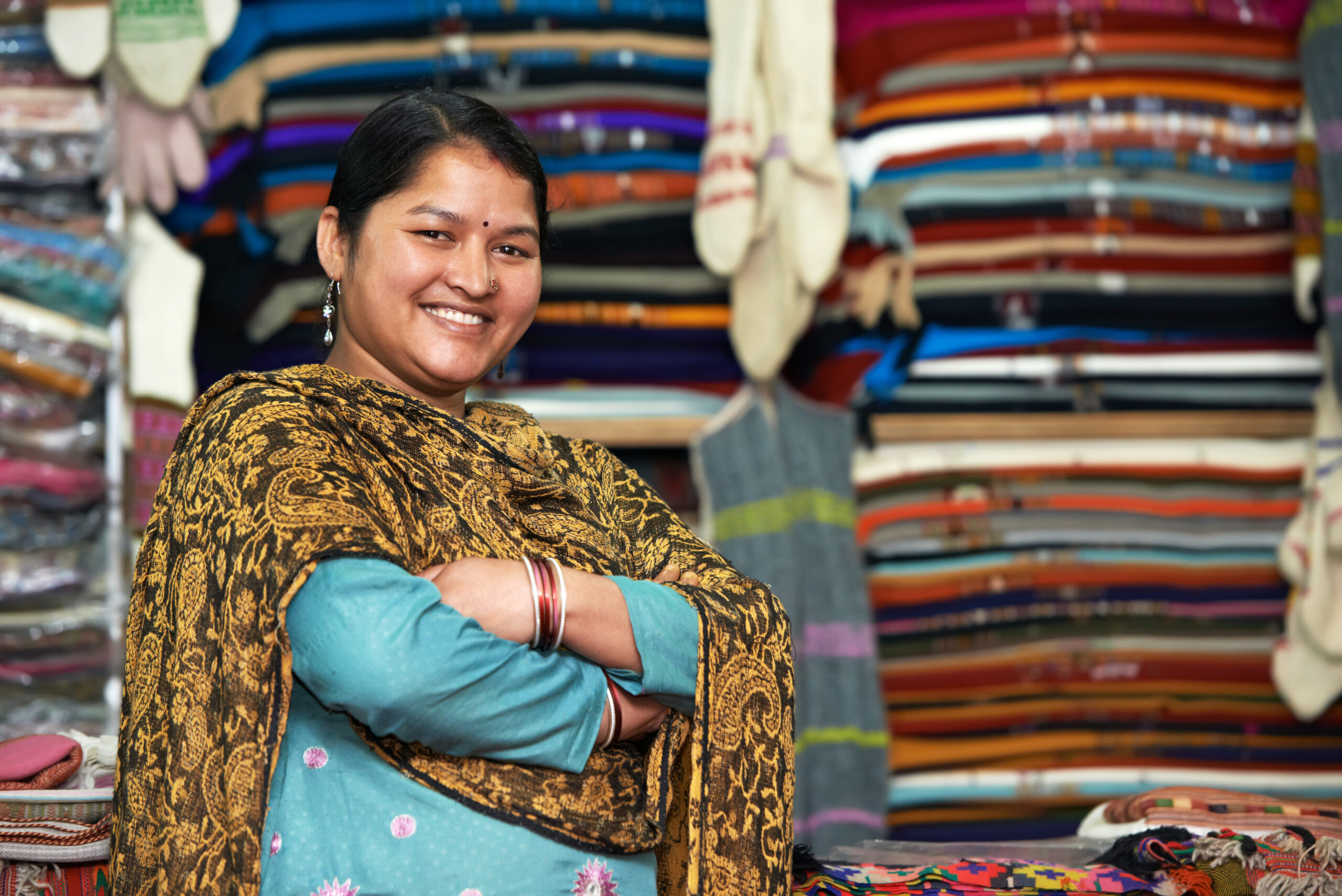
Enhancing Employability and Leadership for Youth
Location: PakistanPartner: Aga Khan Rural Support ProgrammeYear: 2012The Enhancing Employability and Leadership for Youth project was an M4P project that addressed the root causes of youth unemployment in Northern Pakistan through four components: working with local workforce development institutions to enhance curriculum and access, strengthening agricultural value chains with a focus on youth, promoting civic leadership in local institutions, and working with the national government to redesign Pakistan’s youth employment strategy in Northern Pakistan. Promoting young women’s economic empowerment was a key aspect of the project.
Evaluation of DFID/Malawi’s Private Sector Development Programme
Location: MalawiPartner: DFID, Landen MillsYear: 2015DFID Malawi funded a private sector development (PSD) portfolio consisting of two challenge funds, a market systems development program, and a business-enabling environment program.

Evaluation of the Ethiopia Competitive Facility (ECF)
Location: EthiopiaPartner: DFID, Coffey International Development Ltd.Year: 2012The World Bank-funded Ethiopia Competitive Facility (ECF) was a matching grant program that co-funded technical assistance and industry benchmarking to four sectors with the potential for export growth: tanning, leather footwear, textiles, and agro-processing.
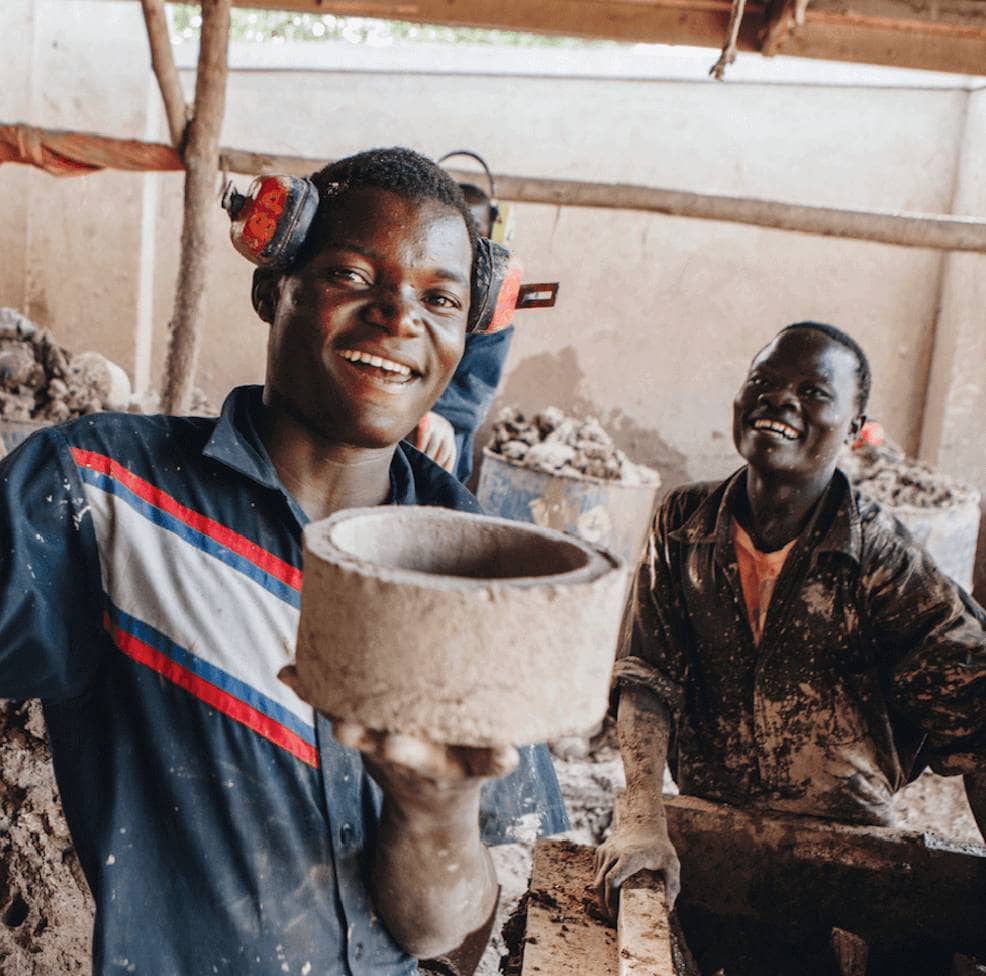
Evaluation of the Yunus Social Business Fund
Location: UgandaPartner: Agridus Foundation, YSB UgandaYear: 2017The Argidius Foundation supported international market-driven business development initiatives to alleviate poverty since 1992. Yunus Social Business Foundation (YSB) Global Initiatives was launched in 2011 as a non-profit social venture fund that aimed to bring sustainable solutions to social problems through growing social businesses. In January 2016, the Argidius Foundation entered into a four-year partnership with YSB, aimed at supporting its social entrepreneurship acceleration and financing services in Uganda and scale them in the East Africa region.

Evaluation of TradeMark East Africa’s LIFT and TRAC Challenge Funds
Location: Burundi, Democratic Republic of the Congo, Kenya, Rwanda, South Sudan, Tanzania, UgandaPartner: TradeMark East AfricaYear: 2017TradeMark East Africa (TMEA) was a $550-million initiative facilitating trade between Kenya, Tanzania, Uganda, Rwanda, Burundi, South Sudan, DRC, and the world. Its three strategic objectives included supporting agricultural sector growth and increased food production that contributed to greater exports, creating the infrastructure that supports trade (e.g., ports, roads, border crossings), and supporting the systems and procedures for regional integration (e.g., reducing non-tariff barriers, improving customs software).
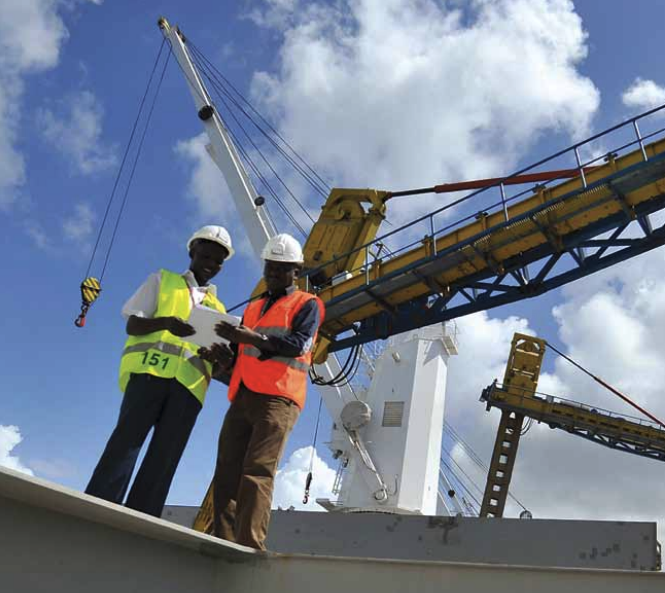
Evaluations of TradeMark East Africa’s Uganda and Rwanda Country Programmes
Location: Rwanda, UgandaPartner: TradeMark East AfricaYear: 2015TradeMark East Africa (TMEA) was a $550-million initiative facilitating trade between Kenya, Tanzania, Uganda, Rwanda, Burundi, South Sudan, DRC, and the world. Its three strategic objectives included supporting agricultural sector growth and increased food production that contributed to greater exports, creating the infrastructure that supports trade (e.g., ports, roads, border crossings), and supporting the systems and procedures for regional integration (e.g., reducing non-tariff barriers, improving customs software).
Evidence Base for Collaborating, Learning and Adapting
Location: USAPartner: USAID, QEDYear: 2016This project developed the evidence for Collaborating Learning and Adapting and Adaptive Management as part of a learning grant for USAID.
Expertise France RDC – Women Support Project (MIDLINE Evaluation)
Location: Democratic Republic of the CongoPartner: Expertise France, Agence Française de Développement (AFD) Year: 2026MarketShare Associates (MSA) is supporting Expertise France to conduct the midline evaluation of the “Pour Elles: Appui aux femmes entrepreneures” project in the Democratic Republic of Congo (DRC). The project aims to contribute to the economic empowerment of women entrepreneurs by strengthening their access to resources, markets, and support ecosystems. The midline evaluation is designed to assess progress toward project objectives at the halfway point of implementation. It focuses on measuring effectiveness, identifying early impacts, and generating actionable recommendations to improve implementation going forward. The evaluation includes a structured process across three phases: Preparation and design – refining evaluation questions, methodology, and tools Field data collection – gathering qualitative and quantitative insights from stakeholders and beneficiaries Analysis and reporting – synthesizing findings into a final midline report and presentation Key outputs include an evaluation framework, fieldwork insights, and a final midline evaluation report with recommendations to inform adaptive management and future programming.
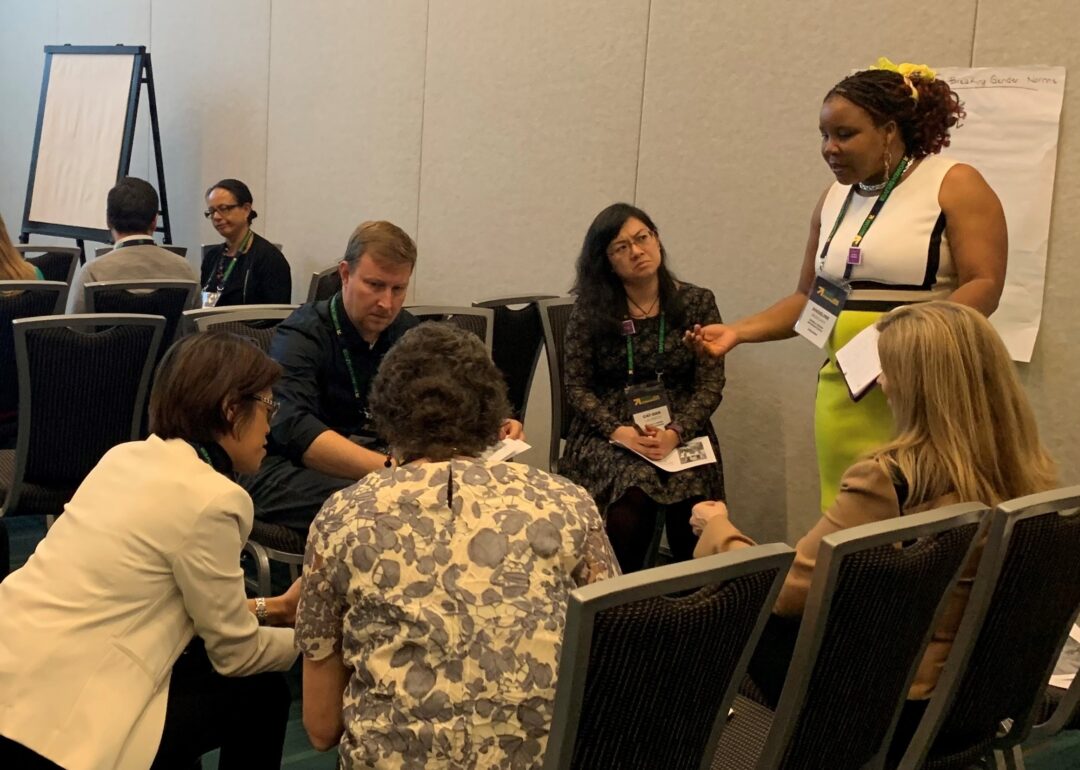
Facilitating a Global Working Group on Women’s Economic Empowerment for SEEP Network & USAID
Location: USAPartner: SEEP NetworkYear: 2014The SEEP Network was a global network of international practitioner organizations dedicated to combating poverty through promoting inclusive markets and financial systems. SEEP represented the largest and most diverse network of its kind, where members are active in 170 countries and reach nearly 90 million households.

Feed the Future Knowledge, Data, Learning, and Training
Location: GlobalPartner: USAID, Bixal, The QED GroupYear: 2019The Knowledge, Data, Learning, and Training (KDLT) activity sought to expand the USAID Bureau for Food Security (BFS) and Feed the Future’s capacity and quality of knowledge sharing, data management and analysis, organizational learning, and training.
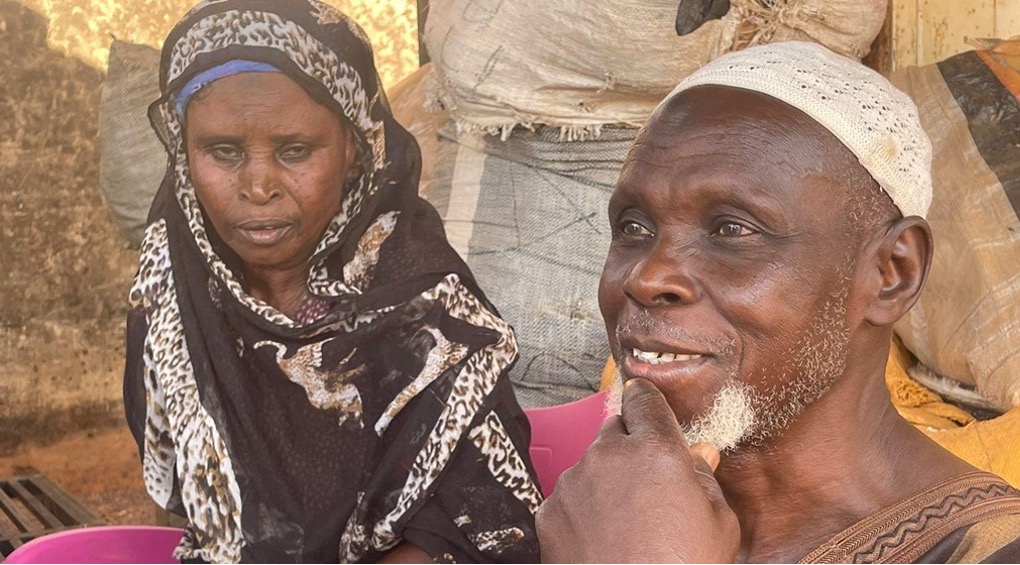
Feed the Future Market Systems & Partnerships – Ex-Post Study Ghana
Location: GhanaPartner: DAIYear: 2022MSP conducted an ex-post study on the Feed the Future ADVANCE II Activity in Ghana as one part of a multi-country series focused on evaluating the sustainability and scale of outcomes from specific systems changes catalyzed during a USAID-funded Activity demonstrating key features of an MSD approach.

Financial Health in the Arab World: Social Norms Diagnostic
Location: TurkeyPartner: Consultative Group to Assist the Poor (CGAP), Jouri Research and ConsultingYear: 2018MSA led a study for the World Bank to research how gender social norms influence women’s financial inclusion in the Arab world. The study was conducted in Southern Turkey, primarily with Arab and refugee populations. The outcomes of the field research informed operational and policy recommendations on how to address socio-cultural and socio-economic issues influencing women’s use of conventional and digital financial products.

Food Security and Incomes
Location: TanzaniaPartner: Aga Khan FoundationYear: 2008Food Security and Incomes (FSI) was an $11-million project managed by the Aga Khan Foundation in southern Tanzania, with a focus on rice and sesame value chains.
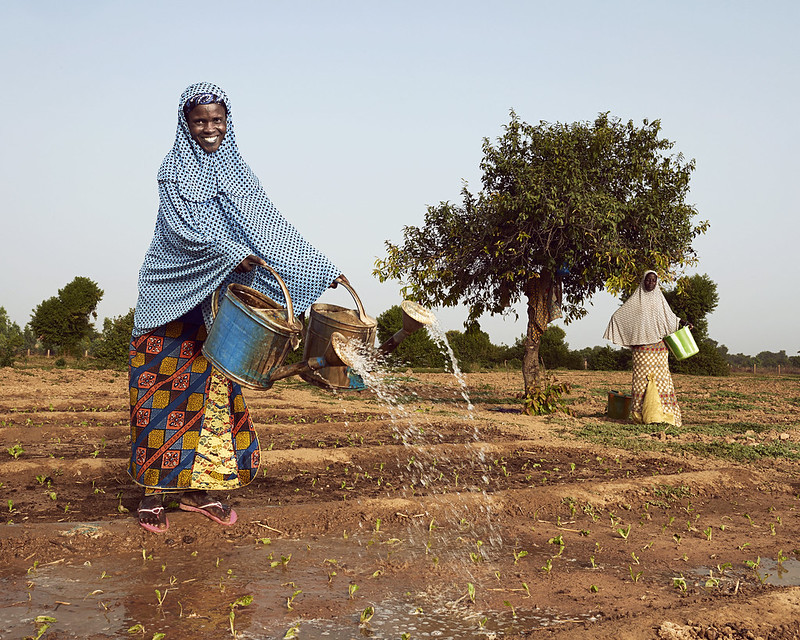
Gender and Market Assessments for Gates Foundation and CARE International
Location: Bangladesh, NigerPartner: CARE, The Bill and Melinda Gates FoundationYear: 2017CARE used a market systems development approach to developing and trialing innovative economic development and family planning interventions aimed at increasing the age of first childbirth among married adolescent girls in Niger and Bangladesh under the Gates Foundation-funded Supporting Married Nulliparous Adolescents project.
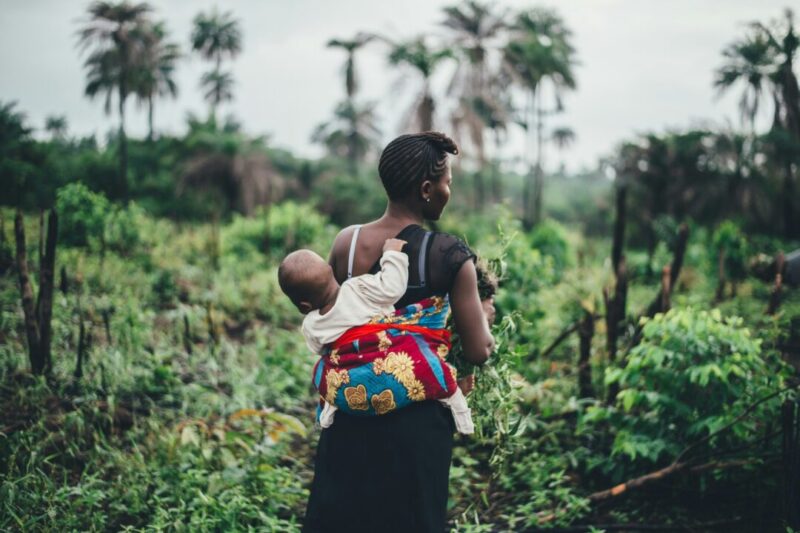
Gender Assessment of AgDevCo investments in Mozambique
Location: MozambiquePartner: AgDevCoYear: 2016AgDevCo was a social impact investor that made investments in the agricultural sector in Africa. It invested in seven emerging markets in Ghana, Malawi, Mozambique, Rwanda, Tanzania, Uganda, and Zambia.
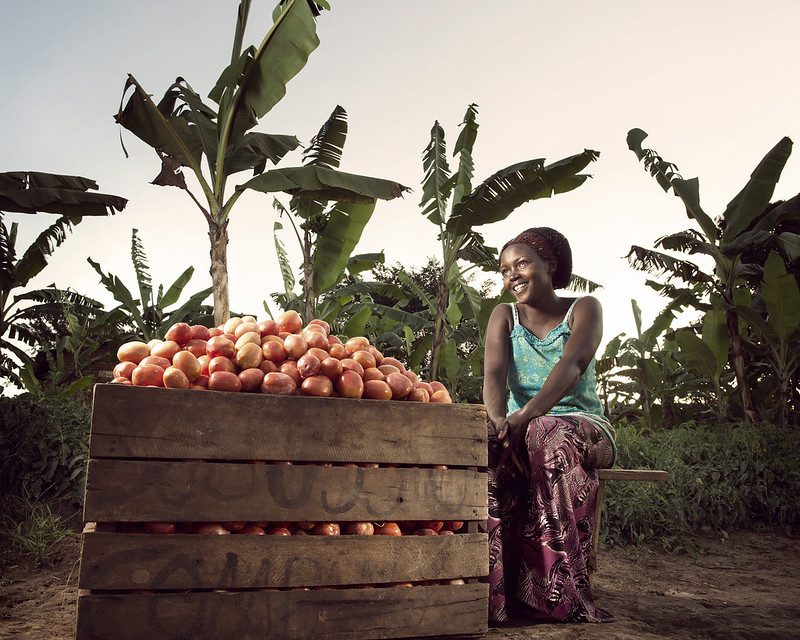
Gender-Sensitive Business Environment Reform and Women’s Entrepreneurship Development
Location: GlobalPartner: International Labour Organization (ILO) Year: 2020The ILO sought a technical research paper on gender-sensitive business environment reform (BER) with the goal to develop practical recommendations on integrating a women’s empowerment lens into a broad range of BER policy areas, as well as into making the reform process more inclusive.
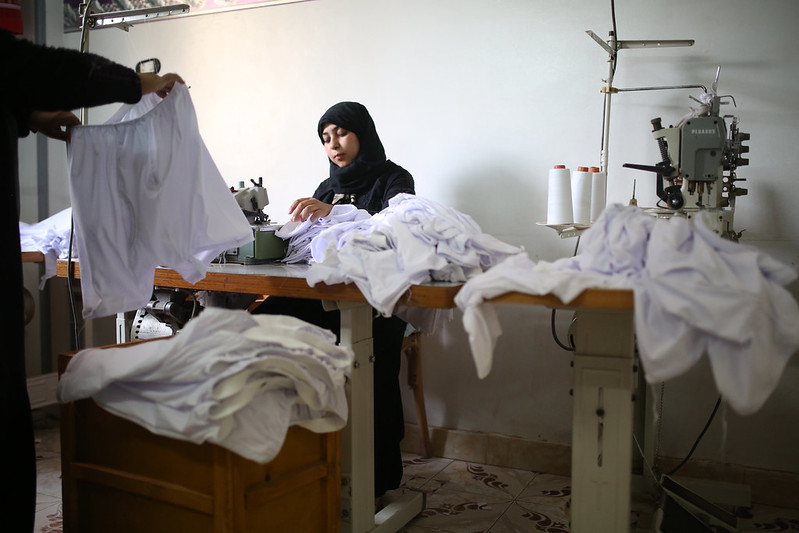

Greyston Bakery Open Hiring Monitoring & Evaluation Support
Location: USAPartner: Greyston Center for Open Hiring, Greyston Bakery, Generation FoundationYear: 2019Greyston Bakery, founded 37 years ago, has provided access to employment to those most in need in its home community of Southwest Yonkers. Greyston has developed and put into practice a simple but transformative idea – the Open Hiring Model. Greyston Bakery sought to accelerate its impact by creating a Center for Open Hiring that would introduce the model to large companies.
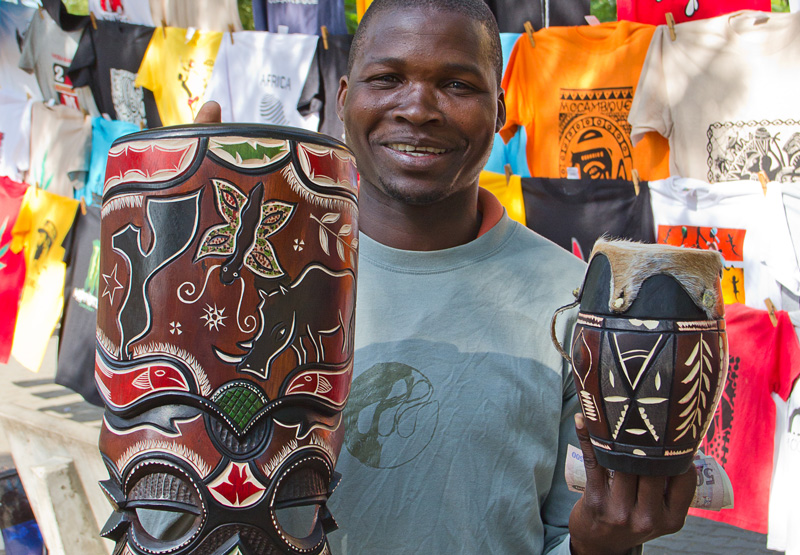
Growth and Employment in States (GEMS)
Location: NigeriaPartner: FCDO (formerly DFID), Coffey International DevelopmentYear: 2011The GEMS2 and GEMS4 projects focused on construction and real estate, and wholesale and retail trade, respectively. The projects were active in various urban centers, including Lagos and Abuja. All of the GEMS projects reported on their job creation effects.

Habitat for Humanity ShelterTech
Location: GlobalPartner: Habitat for Humanity Terwilliger Center for Innovation in Shelter Year: 2020Habitat’s ShelterTech aimed to identify potentially game-changing technologies and entrepreneurs around the world and addressed the lack of capacity to attract/raise capital for increased growth to meet the growing demands of this invisible segment. ShelterTech supported both scale-ups and start-ups focused on innovative solutions to material, technology, land, water, sanitation, renewable energy, and financing gaps with the goal of creating an investable portfolio of solutions that addressed affordable housing gaps across the globe.
Heifer Ethiopia Market Systems Development (MSD) Training
Location: EthiopiaPartner: Heifer InternationalYear: 2025The project focused on strengthening the capacity of Heifer International Ethiopia’s country team to effectively apply a Market Systems Development (MSD) approach across its program portfolio, with particular emphasis on the RESTORE+ signature program. RESTORE+ was designed as a ten‑year MSD initiative aimed at enabling one million smallholder farmers—70% of whom were youth—to achieve financial stability and prosperity by 2030 through inclusive, sustainable, and climate‑resilient agricultural and livestock market systems. The assignment involved the design and delivery of a five‑day, in‑person MSD 101 training that combined practical application with conceptual rigor. The training emphasized systems thinking, facilitation, private sector engagement, adaptive management, inclusive market development, and results measurement. It was tailored to Heifer Ethiopia’s operational context, priority value chains, and strategic objectives, ensuring relevance to ongoing programming in livestock, dairy, youth, and women’s economic empowerment. Using participatory adult learning methodologies, the training enabled staff from implementation, monitoring and evaluation, finance, and leadership roles to analyze market systems, identify root causes of systemic constraints, design and co‑create market‑based interventions, and apply MSD tools in real‑world scenarios. The initiative sought to build sustained internal capacity within Heifer Ethiopia to design, implement, and adapt MSD interventions that deliver scalable and lasting impact.
Heifer Rwanda – Livestock Water Supply Feasibility
Location: RwandaPartner: Heifer InternationalYear: 2026This assignment is the Market Assessment for Access to Water for Livestock under the Rwanda Dairy Development Program – Phase II (RDDP-2), implemented by Heifer International Rwanda and conducted by MarketShare Associates (MSA). It assesses practical livestock water supply options for Rwanda’s zero-grazing transition, with a focus on technical, infrastructural, environmental, social, and implementation feasibility. The study builds on prior water market systems work conducted by MSA and aims to generate actionable, evidence-based recommendations to help Heifer International Rwanda and RDDP-2 and government of Rwanda identify climate-resilient, environmentally sustainable, socially inclusive, and infrastructure-ready water solutions for livestock production. It will prioritize options that improve reliable water access for smallholder dairy farmers while reducing environmental and social risks. The engagement focuses on identifying and comparing livestock water infrastructure options Including boreholes, piped systems, rainwater harvesting, surface storage infrastructure, pumping systems, storage, distribution networks, and watering points through an integrated feasibility lens: Technical and infrastructural feasibility (water demand, source reliability, site suitability, engineering requirements, storage, pumping, energy, distribution, operation and maintenance) Economic feasibility (costs, profitability, ROI)Environmental impact (water usage, emissions, sustainability) Operational sustainability (maintenance, cost recovery models) The results will support RDDP-2 decision-making by identifying context-responsive livestock water infrastructure options that can strengthen reliable water access, climate resilience, environmental compliance, and inclusive benefits for smallholder farmers, especially women, youth, persons with disabilities, and other vulnerable groups.

HELVETAS RECONOMY – DCED Audit
Location: Armenia, KosovoPartner: Swedish International Development Cooperation Agency (Side)Year: 2025HELVETAS Swiss Intercooperation leads the RECONOMY program, a regional initiative for inclusive economic development across 11 countries in the Eastern Partnership and Western Balkans. The program’s thematic focus is tailored to each region's dynamics but is unified by a core vision: fostering inclusive, green economic opportunities for disadvantaged women and youth by addressing their shared challenges and potentials. Under RECONOMY, a partnership with the Swedish Public Employment Service aims to enhance digital services within Bosnia and Herzegovina's public employment system. A central project is the creation of an intuitive online platform to boost jobseeker engagement through career planning and professional orientation tools. This platform will enable data-driven self-reflection and career development. Developed and integrated with support from the Swedish and Brcko District PES, it is designed to improve user access and system functionality, thereby strengthening overall employment services

Hlib Bladi 2 Impact Evaluation
Location: MoroccoPartner: Danone Ecosystem, la Centrale Laitière and GIZYear: 2024Hlib Bladi 2, led by Danone Ecosystem, aims to expand and anchor sustainable milk production in Morocco: improving the revenues of small farmers and milk collection centers, while securing the volume and quality of the milk supply. The first iteration of Hlib Bladi aimed to demonstrate that sustainable milk production was possible and set new standards at a national level, encouraging other stakeholders to roll these practices out nationwide. To do so, it established sustainable and inclusive dairy hubs, Hlib Bladi, adding added structure to the currently atomized supply chain. It also created jobs, empowered farmers and fostered environmentally responsible farming practices. Centrale Danone secures the volume and quality of its milk supply while supporting a long-term vision for supply security as well as multigenerational positive social impacts. The 2nd phase aims to expand to more farmers and achieve even better environmental and social impact.

IDRC – Road to Market, InnoVet-AMR
Location: Brazil, Canada, Cuba, Democratic Republic of the Congo, Kenya, Malaysia, Nigeria, Pakistan, Spain, Tanzania, Thailand, Tunisia, USA, VietnamPartner: International Development Research Centre Year: 2025The Innovative Veterinary Solutions for Antimicrobial Resistance (InnoVet-AMR), a collaboration with the UK government’s Department of Health and Social Care (DHSC), is a 4-year, CAD $56.8 million program for research on innovative veterinary solutions to reduce the use of antimicrobials in the livestock, poultry, and aquaculture industries in low and middle-income countries (LMICs). Widespread use of antimicrobials is creating resistance to the drugs, which threatens their long-term viability for both animals and humans. Various technologies and products are being developed by program grantees, ranging from vaccines to phages, microbial-derived products and phytochemicals. The initiative is currently in its second phase, funding 14 projects across Asia, Africa and Latin America. One of InnoVet-AMR’s main workstreams is advancement in the product development pipeline of the most promising InnoVet-AMR innovations towards commercialization. As with most primary research, the InnoVet-AMR grantees face the prospect of a “valley of death” in which they fail to successfully bridge the gap between developing promising basic research and taking it fully to commercialization. This is made more challenging by the nature of many of the supported innovations, which are very new and thus lack an established regulatory pathway for approval, the lack of prioritization of commercialization from the outset of the research, and the lack of engagement of industry partners.

IFC Central Asia Financial Inclusion (CAFINC) Edutainment Campaign Impact Evaluation
Location: Kyrgyz Republic, TajikistanPartner: International Finance Corporation (IFC), under the Central Asia Financial Inclusion (CAFINC) project, funded by SECO (Swiss State Secretariat for Economic Affairs) Year: 2022This project involved an impact evaluation of an edutainment campaign implemented under the IFC Central Asia Financial Inclusion (CAFINC) program in the Kyrgyz Republic and the Republic of Tajikistan. The campaign was designed to address social norms and behavioral barriers that limit financial inclusion, particularly among women and youth. The initiative used a combination of edutainment interventions—including social media campaigns, a multi-episode TV series, and in-person “Money-Talk” events—to influence financial behaviors, attitudes, and beliefs. Key target areas included encouraging savings, reducing unproductive spending, and improving financial management and planning practices. The intervention also aimed to shift social norms related to financial decision-making and increase engagement with formal financial institutions. The evaluation assessed changes in personal beliefs, normative expectations, and financial practices across different demographic groups in both countries. It drew on longitudinal data collected at multiple points in time (baseline, midline and endline) and provided insights into the effectiveness of different edutainment approaches influencing financial behaviors. The findings informed lessons and recommendations for designing more effective financial inclusion programs and behavior change campaigns in focused on financial literacy
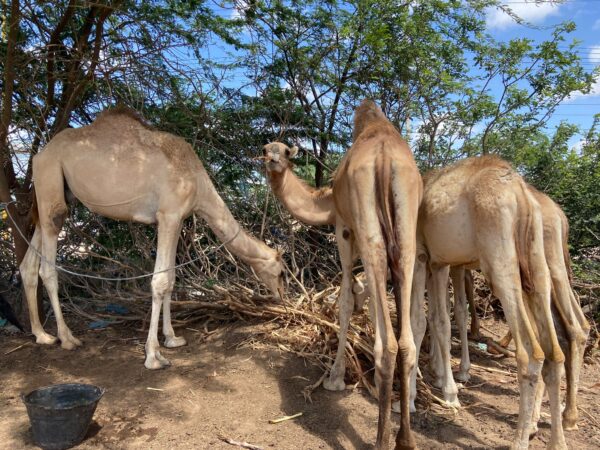
ILO Somalia Value Chain Analysis
Location: SomaliaPartner: ILO Somalia, Embassy of SwedenYear: 2021The objective of this study was to add to the existing study by conducting a more detailed value chain analysis of the milk value chain in Mogadishu and the off-grid solar value chain in Garowe.
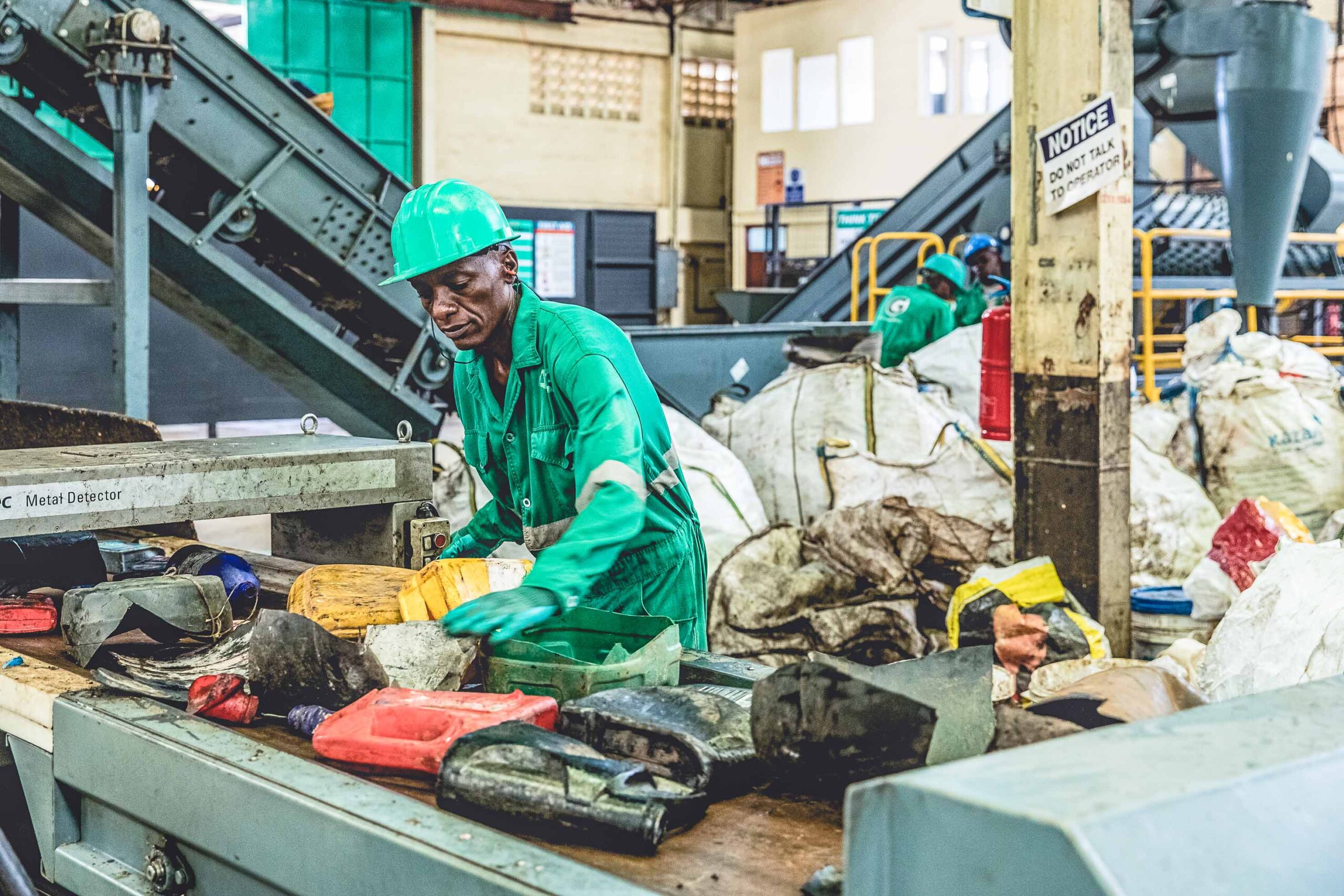
Impact Evaluation – IKEA Foundation & GIZ- Women’s Employment for Development (WE4D) Kenya
Location: KenyaPartner: IKEA Foundation, GIZYear: 2025Kenya's waste management sector is both an environmental challenge and an economic opportunity, but whether circular economy interventions can systematically generate sustainable livelihoods for women-led enterprises remains an open question. Answering it requires a rigorous, multi-year evaluation built to capture complexity and produce evidence that is useful for adaptation, not just reporting. Partnering with IKEA Foundation and Deutsche Gesellschaft für Internationale Zusammenarbeit (GIZ), MSA is leading a multi-year impact evaluation under the WE4D Kenya program focused on how circular economy interventions can generate sustainable employment and economic opportunities for women-led MSMEs.
Impact Evaluation of Global Alliance for Trade Facilitation Customs Clearing Program
Location: MalawiPartner: Global Alliance for Trade Facilitation, Project Economic Consulting (PEC)Year: 2021The Global Alliance for Trade Facilitation (GAfTA) project in Malawi focused on supporting regulation of the customs agent space through improved licensing, inclusive of testing and certification, with a training program to support this change.
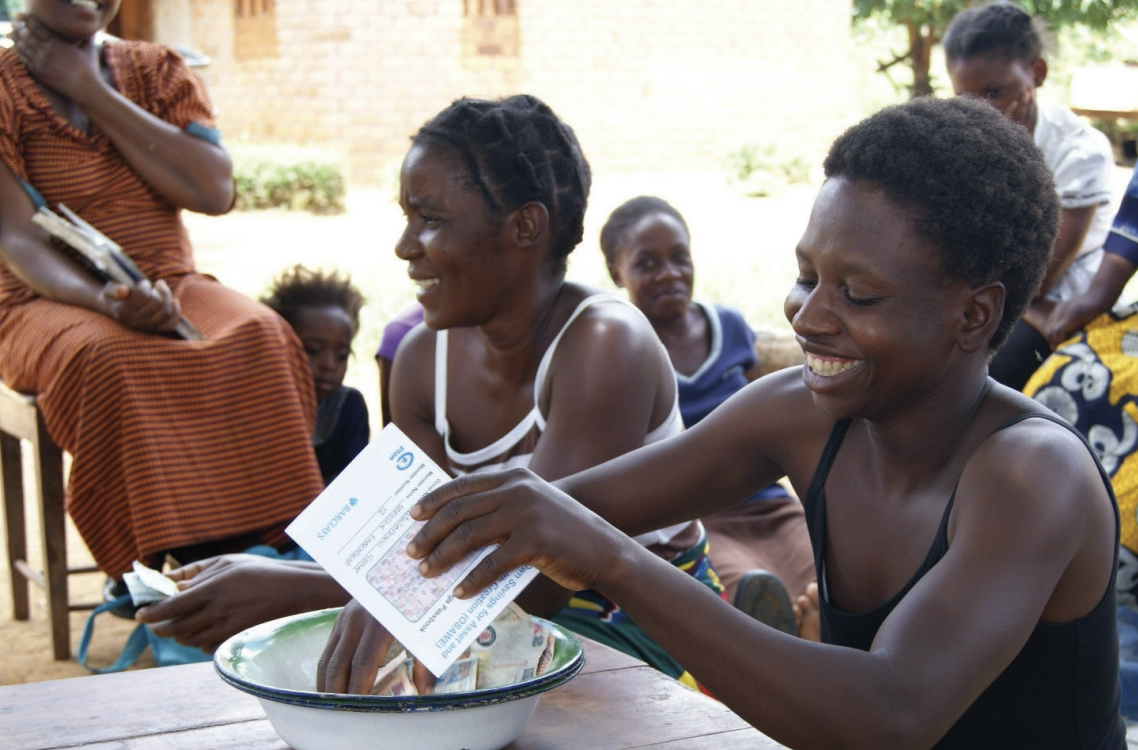
Impact Tracer Study for the Markets for Youth Program in Uganda
Location: UgandaPartner: GOAL Uganda and Mastercard FoundationYear: 2025The Impact Tracer Study for GOAL Uganda’s Markets for Youth (M4Y) programme assessed the depth, sustainability, and inclusiveness of programme impacts as the initiative approached closure. The study examined how market systems–oriented interventions supported rural youth—particularly young women, refugees, and persons with disabilities—to access dignified and fulfilling work. Using a mixed-methods tracer approach grounded in Market Systems Development (MSD) principles and OECD-DAC evaluation criteria, the study analysed individual livelihood outcomes, enterprise performance, inclusion results, and system-level changes across the programme’s financial inclusion, skilling, market access, and collective action components. The findings generated actionable learning on sustainability, scalability, and lessons for future youth employment programming in Uganda.

Improving Trade Facilitation and Customs Support in the Occupied Palestinian Territories
Location: PalestinePartner: FCDO, CoWaterYear: 2020The FCDO’s Improving Trade Facilitation and Customs Support in the Occupied Palestinian Territories (TFCS) was a 3-year, £15-million program aimed at improving the livelihoods of Palestinians by improving cross-border trade whilst taking a systems perspective, improving the capacity of both the public and private sectors.
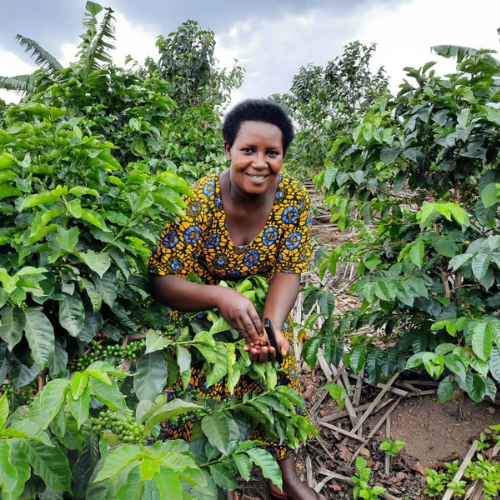
Inclusive Finance CGAP Co-Lab Facilitation: Gender and Social Norms
Location: Bangladesh, Egypt, India, Malawi, Rwanda, Tunisia, Turkey, ZambiaPartner: Consultative Group to Assist the Poor (CGAP), Jouri Research and ConsultingYear: 2018CGAP funded the development of a toolkit on inclusive finance consumer insight studies that incorporate systems thinking, behavior change identification, and social norms, and tests the process of the toolkit through a “Co-Lab,” which engaged seven unique donors and countries to build their capacity on consumer insight studies, social norms, and testing the toolkit.

Independent Mid-term Evaluation of the Savings at the Frontier (SatF) Project
Location: Ghana, Tanzania, ZambiaPartner: Mastercard Foundation, Oxford Policy Management, ITADYear: 2015Savings at the Frontier (SatF) was a five-and-a-half-year program (2015-2021) to improve the financial inclusion of low-income individuals and communities in sub-Saharan Africa. SatF sought to bridge the gap between the supply of formal financial services and users of savings groups, and other Informal Savings Mechanisms (ISMs), so that they have a greater choice of financial services that best meet their needs.

Integrating Market Systems Development Principles into the M&E System to Enhance the Evidence Base for the Landscape Approach Used in IUCN’s SUSTAIN Africa Program
Location: Mozambique, TanzaniaPartner: International Union for Conservation of Nature (IUCN) Year: 2018The International Union for Conservation of Nature (IUCN)’s SUSTAIN Africa program bridged water security and sustainable development. It also built sustainable and inclusive growth to improve water and food security and climate resilience.
Jalin
Location: IndonesiaPartner: USAID, DAIYear: 2017Jalin was a 5-year, USAID-funded initiative that used a whole-of-market approach to improve: 1) maternal and newborn health quality of care in public, private, primary, and secondary facilities, and 2) the efficiency and effectiveness of the emergency referral system at community and facility levels.

Job Measurement and Implementation Support
Location: UKPartner: FCDO (formerly DFID), Landell MillsYear: 2017The Job Measurement and Implementation Support (JMIS) project provided technical support to FCDO (formerly DFID) to better measure, aggregate, and communicate its impacts on job creation across its funding portfolio.
Jobs: Enhancing Measurement and Impact (JEMI)
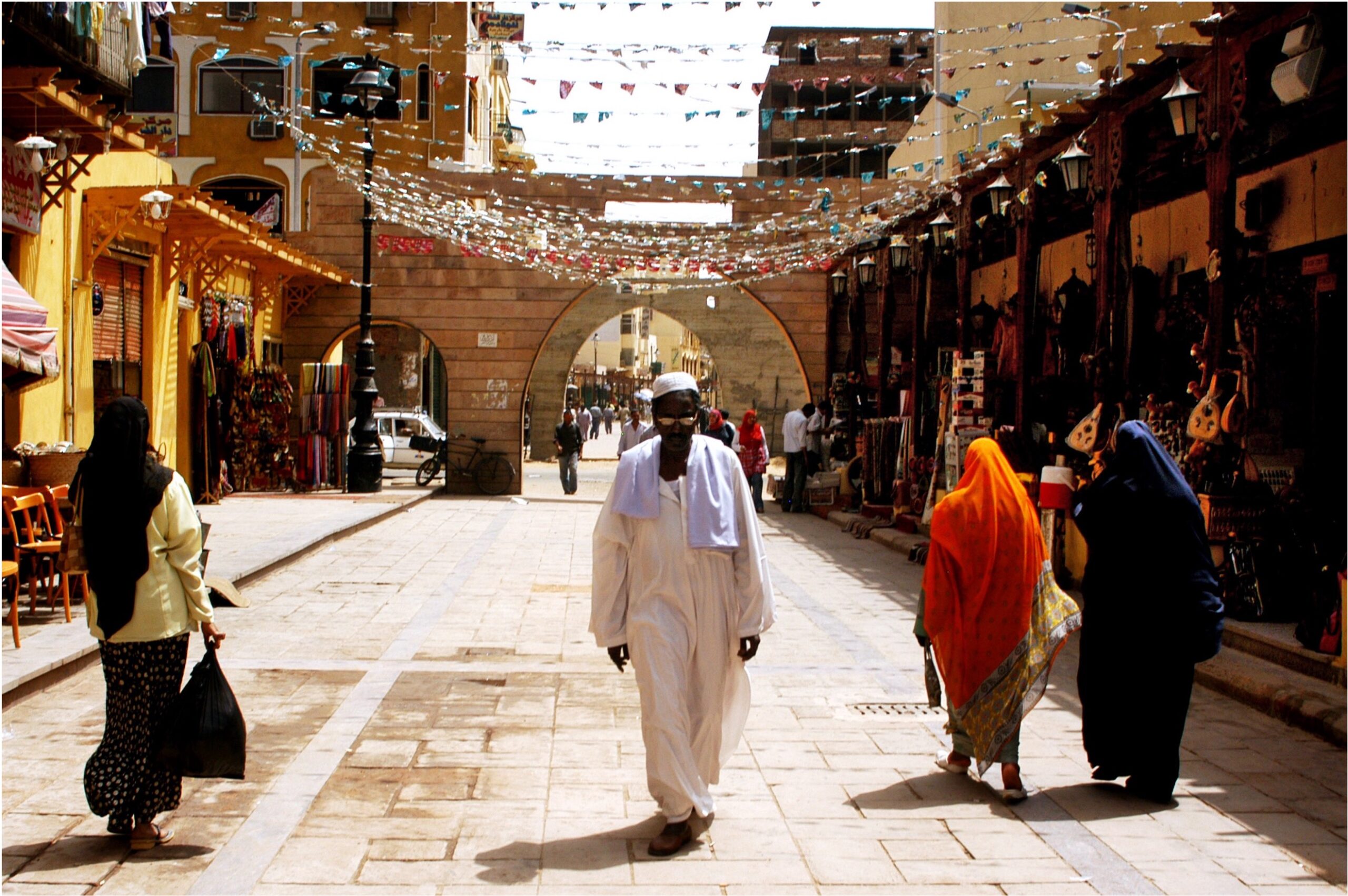
Location: Egypt, Ethiopia, Mexico, Nepal, Nigeria, UKPartner: DAI, FCDO/UK AidYear: 2020The FCDO Jobs: Enhancing Measurement and Impact (JEMI) program was a UK-AID funded program that operated from February to December 2020 and sought to help standardize FCDO’s approach to job measurement across its programs. The JEMI program developed the Jobs Measurement Framework that provided guidance on different jobs concepts and definitions, as well as methodological approaches to help programs ensure alignment with a core set of jobs-related indicators and take methodological approaches that are appropriate and relevant, having taken into account various key considerations.

Kenya Markets Trust – Case Studies Series
Location: KenyaPartner: Gatsby FoundationYear: 2018Kenya Markets Trust (KMT) was a Kenyan organization with private sector, national, and international partners with a long-term goal to deliver large, systemic change in selected markets that benefits all players. KMT developed a substantial portfolio of successful interventions in water, crop seed, agricultural inputs, and livestock markets across Kenya. KMT and Gatsby wished to synthesize learning from these programs into case studies for a wider audience.

Labor Market Analyses with a Focus on Migrant Workers in Seven IGAD Member States
Location: Ethiopia, Kenya, Somalia, South Sudan, Sudan, UgandaPartner: International Labour Organization (ILO) Year: 2019The ILO implemented the European Union Emergency Trust Fund (EUTF) financed project entitled ‘”Free Movement of Persons and Transhumance in the Intergovernmental Authority on Development (IGAD) Region: Improving Opportunities for Regular Labour Mobility.” The overall objective of the project was to improve opportunities for regulated labor mobility and decent work within the IGAD member States through the development of models of intervention.
Livelihoods and Food Security Technical Assistance (LIFT)
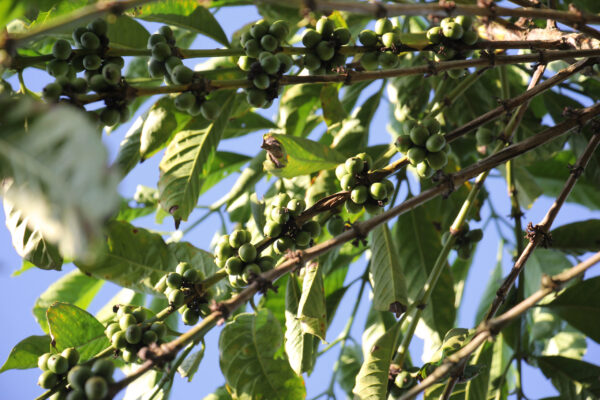
Location: Ethiopia, Namibia, SwazilandPartner: USAID, FHI360Year: 2009LIFT was a USAID-funded project that provided assistance to missions and implementing partners in supporting effective economic strengthening strategies when working with the food insecure.
Market Assessments and Livestock Intervention Design – RANGE
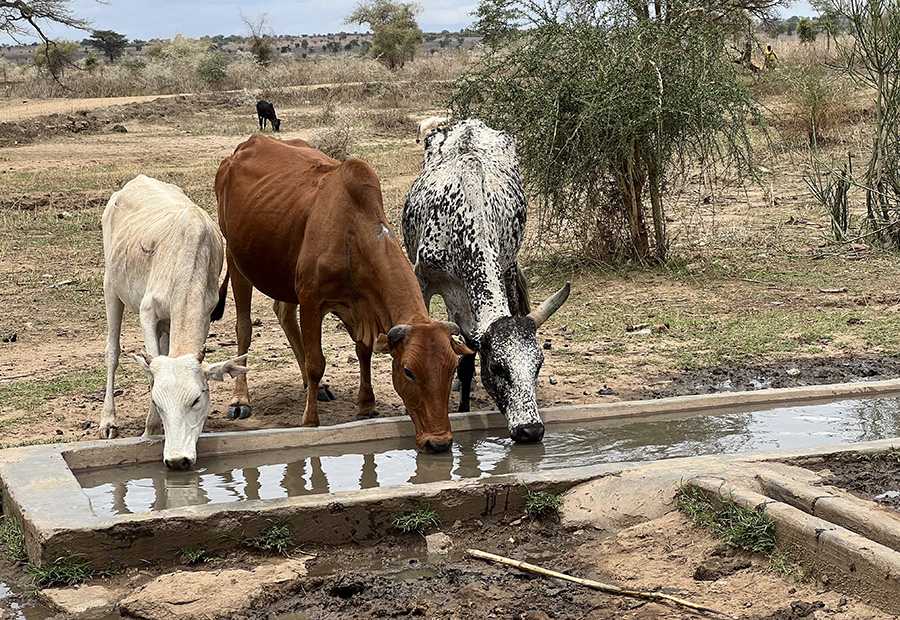
Location: KenyaPartner: Mercy CorpsYear: 2025The project involved conducting a market systems assessment and sector strategy development for the RANGE (Resilient Approaches in Natural rangeland Ecosystems) Programme, implemented by Mercy Corps in Isiolo, Marsabit, and Samburu counties in Kenya. The assessment aimed to strengthen the resilience and competitiveness of livestock-based livelihoods in arid and semi‑arid lands (ASALs) by identifying systemic constraints, opportunities for inclusive growth, and practical entry points for intervention using a Market Systems Development (MSD) approach. The assignment started with a 2-day long MSD Training, followed by the market assessment focused on three priority livestock market systems—meat, camel milk, and animal health services—which underpin pastoralist livelihoods and food security in the target counties. The assessment combined secondary research with extensive primary data collection, including key informant interviews and focus group discussions with pastoralists, traders, cooperatives, service providers, government actors, financial institutions, and development partners. The resulting sector strategies analyzed market structure, actor incentives, gender and social norms, service access, and market dynamics, and then translated findings into evidence‑based strategic directions and intervention areas aligned with RANGE outcomes. The strategies were designed to inform Mercy Corps’ intervention design, prioritization, and investment decisions to promote inclusive, climate‑resilient, and sustainable livestock market systems.
Market Diagnostic for Cashew Value Chain in Cote d’Ivoire, Senegal and Guinea-Bissau for WEECAP program
Location: Côte d'Ivoire, Guinea, SenegalPartner: Winrock InternationalYear: 2025The Women’s Economic Empowerment through Cashew Processing (WEECAP) program is a five-year initiative funded by the Mastercard Foundation aimed at transforming the cashew value chain in Senegal, Côte d’Ivoire, and Guinea-Bissau. The program seeks to increase the competitiveness and sustainability of the local cashew processing industry while creating decent and inclusive economic opportunities for women and youth, particularly in processing, aggregation, and associated services. WEECAP adopts a market systems development approach, working across multiple levels of the cashew ecosystem. At the firm level, the program supports processors and value-chain actors to improve productivity, quality standards, business management, and access to finance. At the workforce level, it strengthens skills development, workplace practices, and job quality to enable women and young people to enter and advance in cashew processing jobs. At the systems and policy level, WEECAP engages with industry associations, financial institutions, and public actors to address structural constraints such as access to raw nuts, finance, infrastructure, and gender-based barriers
Market Systems Analysis and MSD Capacity-Building for DRC Kenya
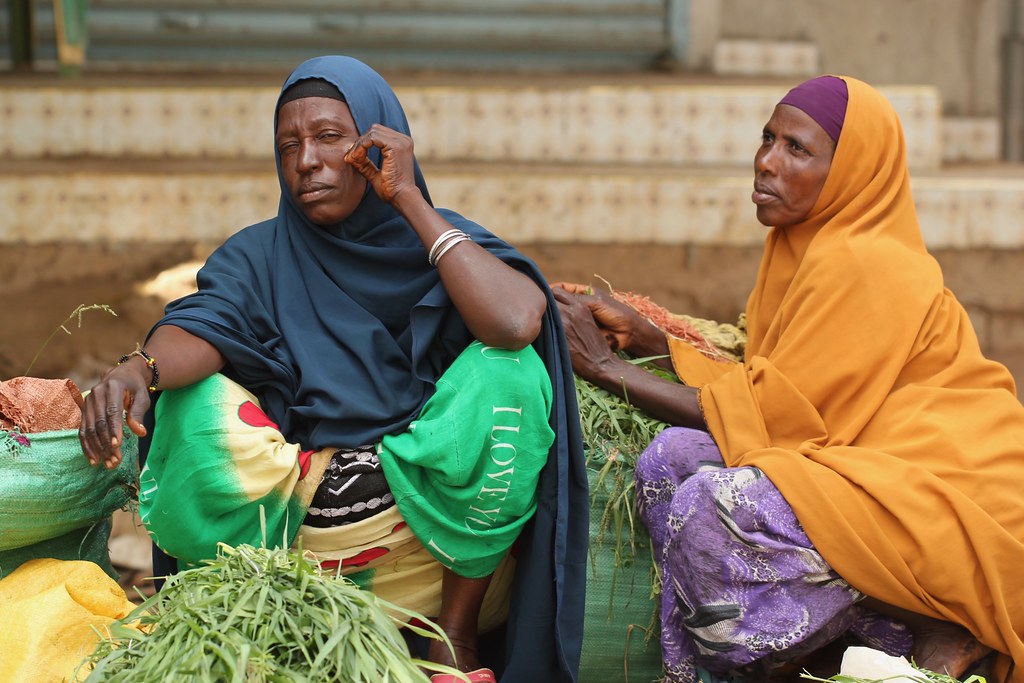
Location: KenyaPartner: Danish Refugee Council (DRC)Year: 2024The Danish Refugee Council (DRC)’s addresses protracted displacement issues by promoting self-reliance and social cohesion between displaced populations and host communities. Challenges arise due to restrictions on movement and work rights for refugees, underdeveloped local systems, and a dependency on humanitarian aid. In 2024, DRC Kenya began a shift towards a systems-thinking approach to address displacement in fragile contexts, integrating short-term humanitarian support with long-term durable solutions, focusing on economic as well as social systems. The program places a particular focus on greeting opportunities and enhancing resilience for marginalized groups, primarily women and youth.
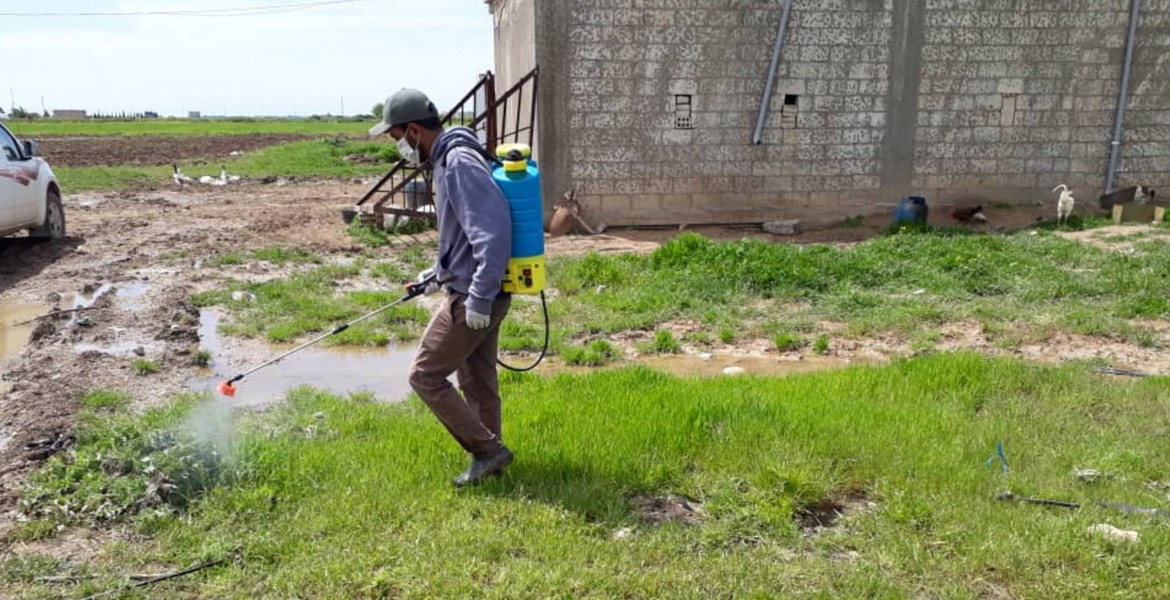
Market Systems Assessment of the Agricultural Sector in Syria
Location: SyriaPartner: Near East FoundationYear: 2018Advancing Livelihoods through Support to Agricultural Markets in Dara’a (AAMD) was a three-year project that sought to improve the livelihoods and resiliency of actors in the agricultural value chain in non-regime-held areas of Southern Syria.

MDF – Women’s Economic Empowerment and Poverty Baseline and Study
Location: Sri LankaPartner: Market Development Facility (MDF), Cadno, AusAidYear: 2016The Market Development Facility (MDF) was a six-year, AU$44.9-million private sector development project funded by the Australian Government, which aimed to sustainably increase employment for poor women and men in rural and urban areas.
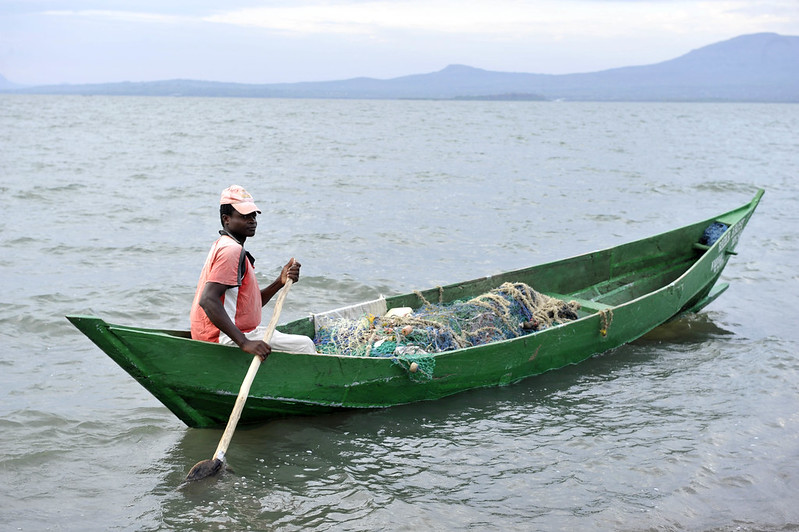
Measuring Job Creation and Monitoring Support for the Kuza Project in Coastal Kenya
Location: KenyaPartner: FCDO, Adam Smith International Year: 2014The Kuza project, formerly called the Mombasa Country Youth Employment Project, generated employment for underemployed and unemployed youth in Mombasa County via investment generation, waste management, agribusiness, micro-retail, and skills-training sectors. Kuza sought to improve the business competitiveness of enterprises located in coastal Kenya.
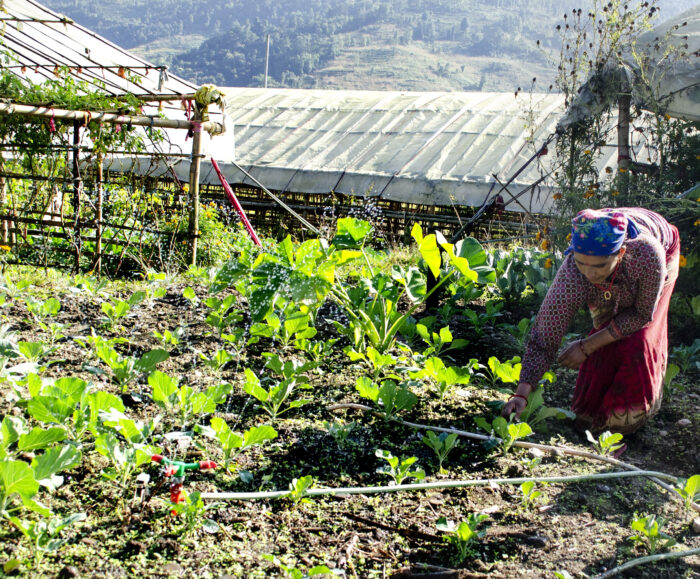
MEDA INNOVATE
Location: Bangladesh, Bolivia, Kenya, Malawi, Nepal, Pakistan, Peru, RwandaPartner: Mennonite Economic Development Associates (MEDA), International Development Research Centre (IDRC) Year: 2019INNOVATE – Adoption of Agricultural Innovations through Non-Traditional Finance was a three-year initiative implemented by Mennonite Economic Development Associates (MEDA) and funded by the International Development Research Centre (IDRC). Through 10 projects (pilot studies and case studies), INNOVATE assessed the potential of non-traditional finance to enable large-scale adoption of agricultural innovations among women and men smallholder farmers in South Asia, South America, and East Africa.

MELA Jordan MSD Water Market Assessment, Evaluation, and Project Design
Location: JordanPartner: KaizenYear: 2020The Monitoring, Evaluating, and Learning Activity (MELA) was designed to ensure USAID’s activities in Jordan achieve their intended results through monitoring and evaluation, strategic assessments, and CLA.
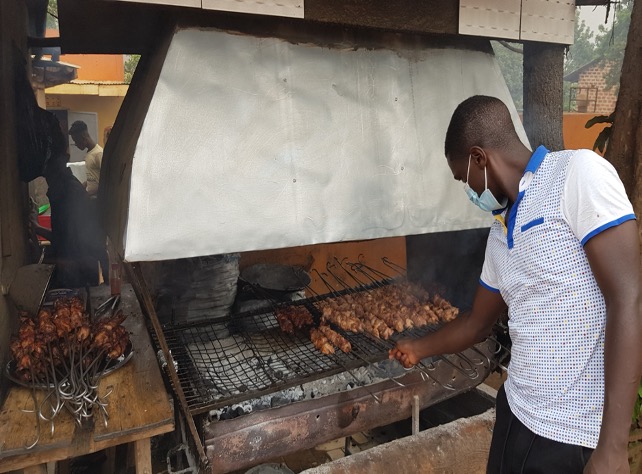
Mid-Term Evaluation of the Scale2Save Program
Location: Côte d'Ivoire, Kenya, Morocco, Nigeria, Senegal, UgandaPartner: Mastercard Foundation, World Savings and Retail Banking Institute (WSBI)Year: 2019Scale2Save was a six-year program (2016-2022) to establish the viability of low-balance savings accounts and use of customer-centric approaches to address barriers faced in access, usage, and affordability of savings services.
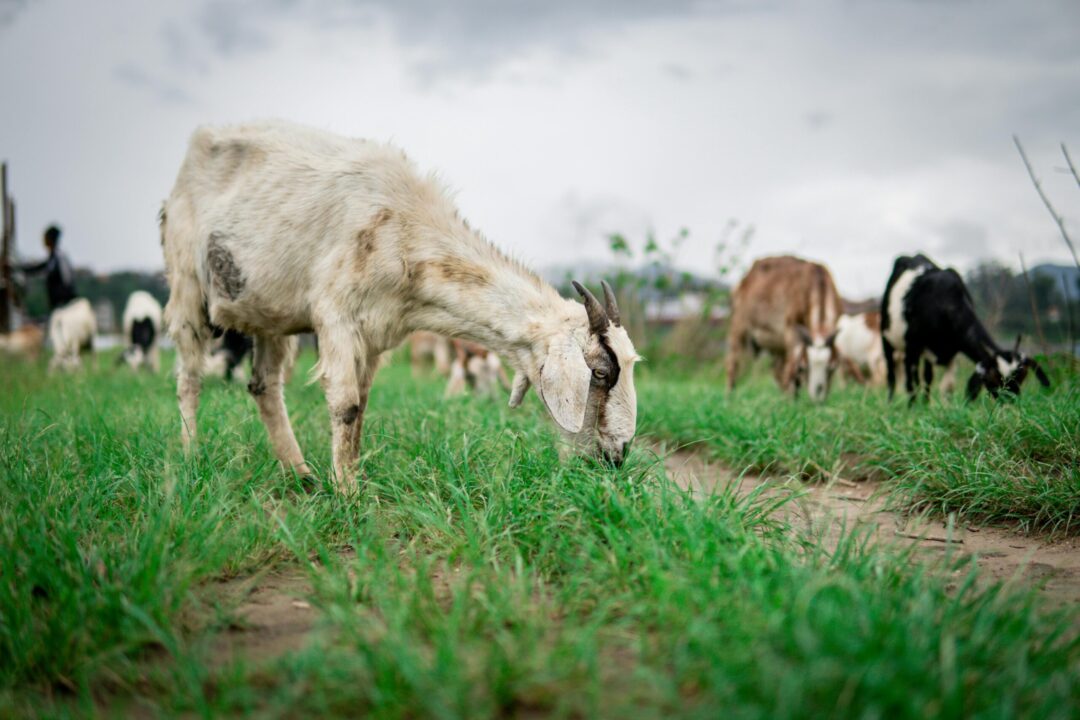
Monitoring Support to Gebana Afrique
Location: Burkina FasoPartner: Fullwell Mill Ltd., Gebana AfriqueYear: 2015Gebana Afrique was an agricultural social enterprise that procures its source products from smallholder farmers.
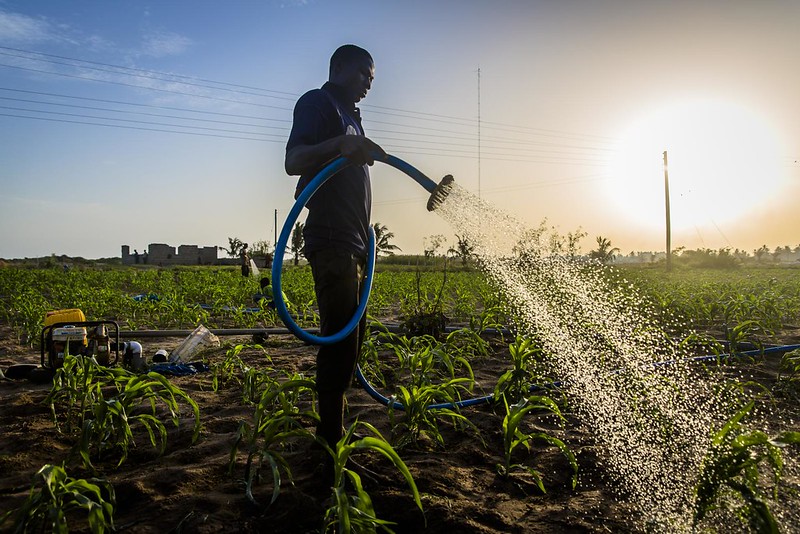
Monitoring the Market Development (MADE) project in Northern Ghana
Location: GhanaPartner: DFID, Nathan Associates, ItadYear: 2013The MADE project facilitated the development of agricultural value chains to improve the incomes and resilience of smallholder farmers in Northern Ghana.
Multi-country Customer Research for the Scale2Save Program
Location: Côte d'Ivoire, Kenya, Morocco, Nigeria, UgandaPartner: Mastercard Foundation, World Savings and Retail Banking Institute (WSBI)Year: 2021Scale2Save was a six-year program (2016-2022) to establish the viability of low-balance savings accounts and use of customer-centric approaches to address barriers faced in access, usage, and affordability of savings services.
Nourishing Prosperity Alliance
Location: Ethiopia, KenyaPartner: Bill and Melinda Gates Foundation, Land O'Lakes Venture37Year: 2023The Nourishing Prosperity Alliance (NPA), funded by the Bill and Melinda Gates Foundation and implemented by Land O’ Lakes Venture37, was an innovative coalition including private agricultural firms, research institutions, and non-governmental organizations with a mission to enhance the productivity and incomes of small-scale dairy farmers in Ethiopia and Kenya.
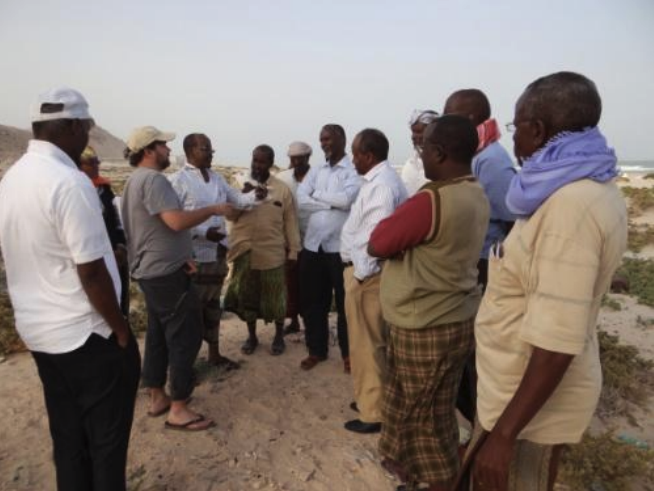
Outcome Harvest; Fast Cycle Learning Application
Location: TanzaniaPartner: TradeMark AfricaYear: 2025The Outcome Harvesting for TradeMark Africa’s (TMA) Standards and Sanitary and Phytosanitary (SPS) Portfolio support to the Tanzania Horticulture Association (TAHA) is a targeted learning and evaluation exercise implemented in Tanzania. The assignment focuses on generating firm‑level evidence on the outcomes of TMA’s support to standards compliance, certification, and SPS reforms within the horticulture sector. The project responds to gaps identified in a prior thematic evaluation, particularly the limited capture of private‑sector outcomes. Through outcome harvesting, the assignment documents changes in behaviours, practices, performance, and market engagement among TAHA‑supported micro, small, and medium enterprises (MSMEs). Key areas of inquiry include export volumes and values, compliance with national and international standards, rejection rates, testing costs and turnaround times, market access, value creation, and job creation. The findings aim to strengthen TMA’s understanding of contribution to private‑sector competitiveness, inform adaptive programming, and meet donor learning and reporting requirements. "
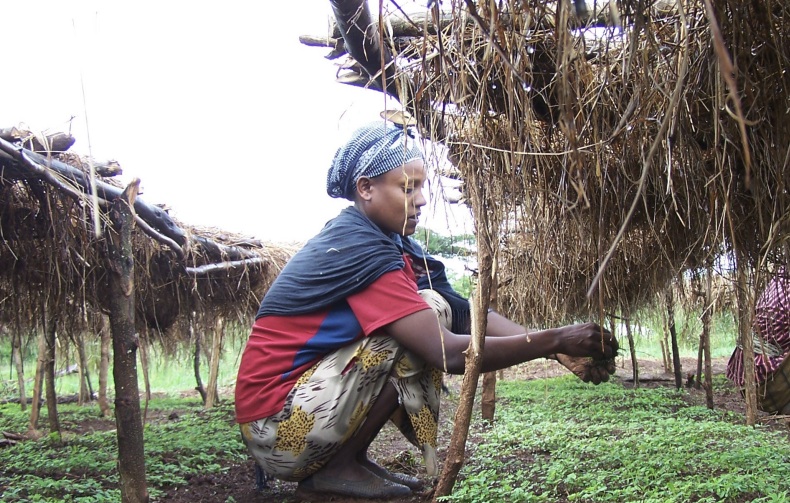
Preparation for Phase III of the “Support Program for Agropastoral Value Chains in Sikasso” (PAFA)
Location: MaliPartner: Caritas SwitzerlandYear: 2025The assignment supports Caritas Switzerland (CACH) in the preparation of Phase III of the Support Program for Agropastoral Value Chains in Sikasso (PAFA III), with a focus on the potato and dairy value chains in southern Mali. The work generates a strong strategic positioning and evidence base to inform a competitive donor proposal that is aligned with donor priorities and grounded in local market realities. The project combines contextual analysis, institutional diagnostics, rapid market systems analysis, and participatory co-creation to identify systemic constraints, inclusive growth opportunities, and viable intervention pathways. Particular attention is given to strengthening coordination among key value chain actors, enhancing private sector engagement, and integrating gender equality and social inclusion (GESI) considerations. The assignment culminates in the co-development of a complete technical proposal for PAFA Phase III, including an intervention strategy, implementation plan, GESI strategy, and MEL framework.
Project Monitor for Global Affairs Canada
Location: Burkina Faso, Côte d'Ivoire, Ghana, Guinea, KenyaPartner: Global Affairs Canada, IFC, WUSC, CECI ConsortiumYear: 2015Global Affairs Canada supported two 6-year projects on extractive sector benefit sharing across five African countries, implemented by the International Finance Corporation (IFC) and the WUSC-CECI consortium, respectively. The projects focused on sustainable and inclusive economic growth in communities hosting extractive industries, including local value chain development, entrepreneurship, as well as enhancing community dialogue and local governance of the extractive sector. Both projects focused on empowering women, girls, and youth.
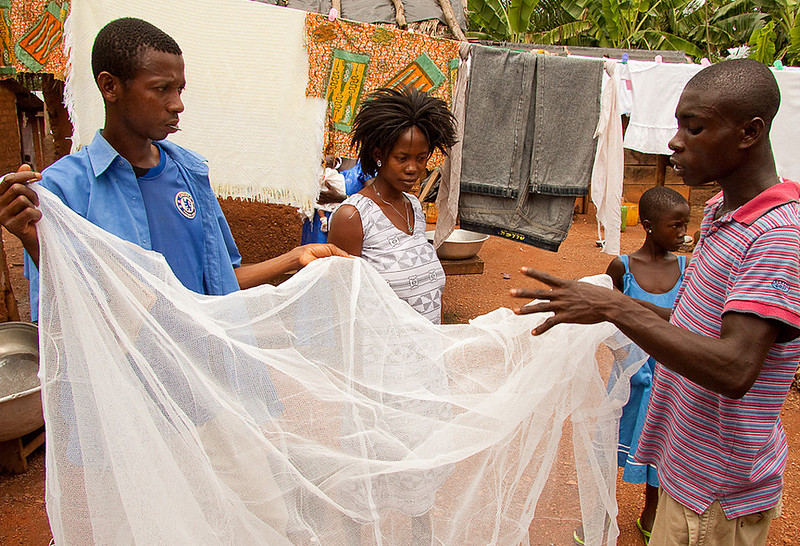
ProMPT (Promoting Malaria Prevention & Treatment)
Location: GhanaPartner: USAID, Malaria ConsortiumYear: 2009The program “Promoting Malaria Prevention and Treatment in Ghana” (ProMPT) was carried out in support of PMI/USAID efforts to strengthen malaria prevention and control in Ghana through the implementation of proven malaria interventions, promotion of positive behavior change, and strengthening the capacity of the National Malaria Control Program.
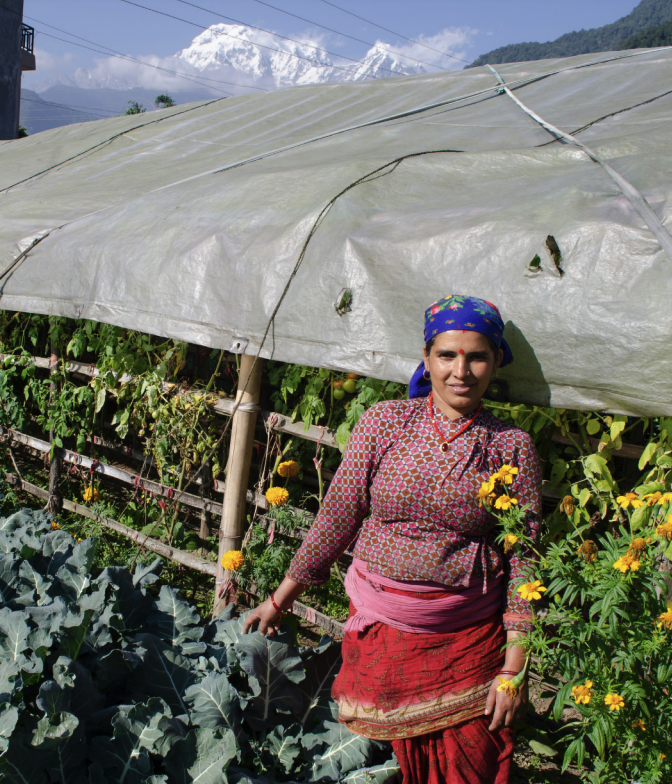
Rapid Appraisal of one AATIF Technical Facility Investment in Tanzania
Location: TanzaniaPartner: The Common Fund for Commodities, Tandem Development International Ltd. Year: 2025The Rapid Appraisal of one AATIF Technical Assistance Facility investment in Tanzania evaluated the development, social, and environmental impacts of AATIF’s investment in Afcom Trading DMCC and Afrisian Ginning Ltd. within the cotton value chain in the Shinyanga region. The appraisal assessed outcomes across AATIF’s impact dimensions, including employment quality, primary agricultural production, local processing, trade, outreach to agricultural producers, environmental practices, and social and environmental management systems. Using a rapid, mixed-methods approach, the study generated baseline (and future endline) insights to inform AATIF’s investment decisions, strengthen sustainability practices, and support learning across its agribusiness portfolio.
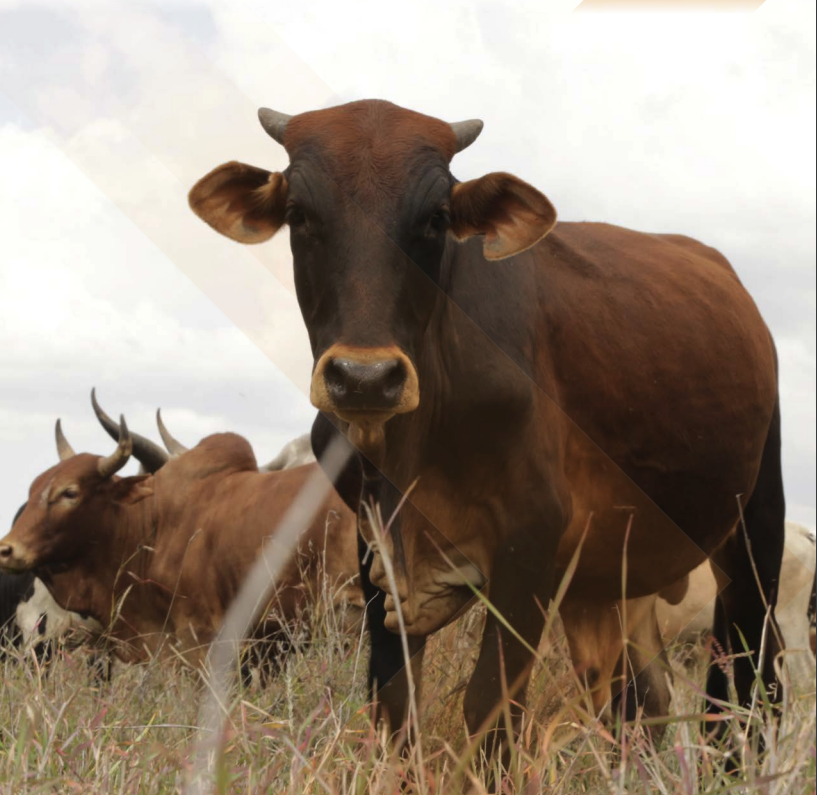
RDMS Water Technologies for Dairy: Market System Assessment and Strategy
Location: RwandaPartner: Heifer InternationalYear: 2025The RDMS Water Technologies for Dairy: Market System Assessment and Strategy was conducted to inform Heifer International Rwanda’s Rwanda Dairy Market Systems Development (RDMS) project by identifying market‑based solutions to improve water access for smallholder dairy farmers. The assessment focused on climate‑smart water harvesting, storage, and distribution technologies at the dairy production level, with particular attention to women and youth dairy farmers. Implemented across targeted districts in Eastern Rwanda, the Gishwati area, and Kigali, the assessment applied a market systems development (MSD) approach to analyze supply, demand, enabling environment, and supporting functions related to water technologies for dairy. The study examined systemic constraints affecting water access, adoption of technologies, financing, and service delivery, while also assessing how gender norms, power dynamics, and youth inclusion shaped market participation. The findings informed a strategic roadmap and actionable interventions to improve water availability, increase milk production, strengthen livelihoods, and advance inclusive market growth. During data collection, MSA engaged key public sector stakeholders in Rwanda working at the intersection of agriculture, livestock, and water access. This included the Ministry of Agriculture and Animal Resources (MINAGRI), the Water and Sanitation Corporation (WASAC), and the Rwanda Agriculture and Animal Resources Development Board (RAB). This engagement generated strong interest in advancing a study that RAB had originally planned to undertake independently. MSA has since developed a joint proposal with Heifer and RAB and is in the final stages of being awarded an assessment to evaluate the economic, environmental, and social viability of different water technologies in Rwanda. MSA will leverage its network of experts and connections with local public and private sector stakeholders, as well as development partners, to identify and propose relevant water technologies being used in the region—providing Heifer and RAB with a package of solutions to implement with the private sector, CSOs, and communities.
Research on Measurement in Conflict-Affected Environments – Liberia and Somaliland Case Studies
Location: Canada, Sierra LeonePartner: International Finance Corporation (IFC) and Donor Committee for Enterprise Development (DCED)Year: 2012The Donor Committee for Enterprise Development (DCED) was a leading source of knowledge about Private Sector Development (PSD). The DCED Secretariat commissioned research to guide practitioners on how to effectively monitor in conflict-affected environments.
Research on Measuring Job Creation
Location: Canada, UK, USAPartner: International Finance Corporation, Donor Committee for Enterprise Development (DCED)Year: 2013The Donor Committee for Enterprise Development (DCED) was a leading source of knowledge about Private Sector Development (PSD). The DCED Secretariat commissioned a consultancy to support the global roll-out of the DCED Standard, a cutting-edge tool for incorporating best practices in monitoring private sector development initiatives.
Results Measurement Support to Essor in DRC
Location: Democratic Republic of the CongoPartner: DFID, PWCYear: 2015Essor was a £30-million funding mechanism to support reform of the Democratic Republic of the Congo’s business enabling environment. Essor was engaged in multiple areas of business reform, including tax, construction permits, electricity, and anti-corruption.

Scoping for Gender and Private-Sector Engagement Opportunities in Three Sub-Saharan African Countries: Côte d’Ivoire, Liberia, and Mozambique
Partner: International Finance Corporation (IFC), Forcier Research and ConsultingYear: 2018IFC commissioned a private-sector gender analysis in three countries: Cote D’Ivoire, Mozambique, and Liberia. This work investigated existing gender gaps across key thematic areas and key economic sectors and the extent to which they hinder the realization of equal opportunities for women to participate in economic development.
SHARPE
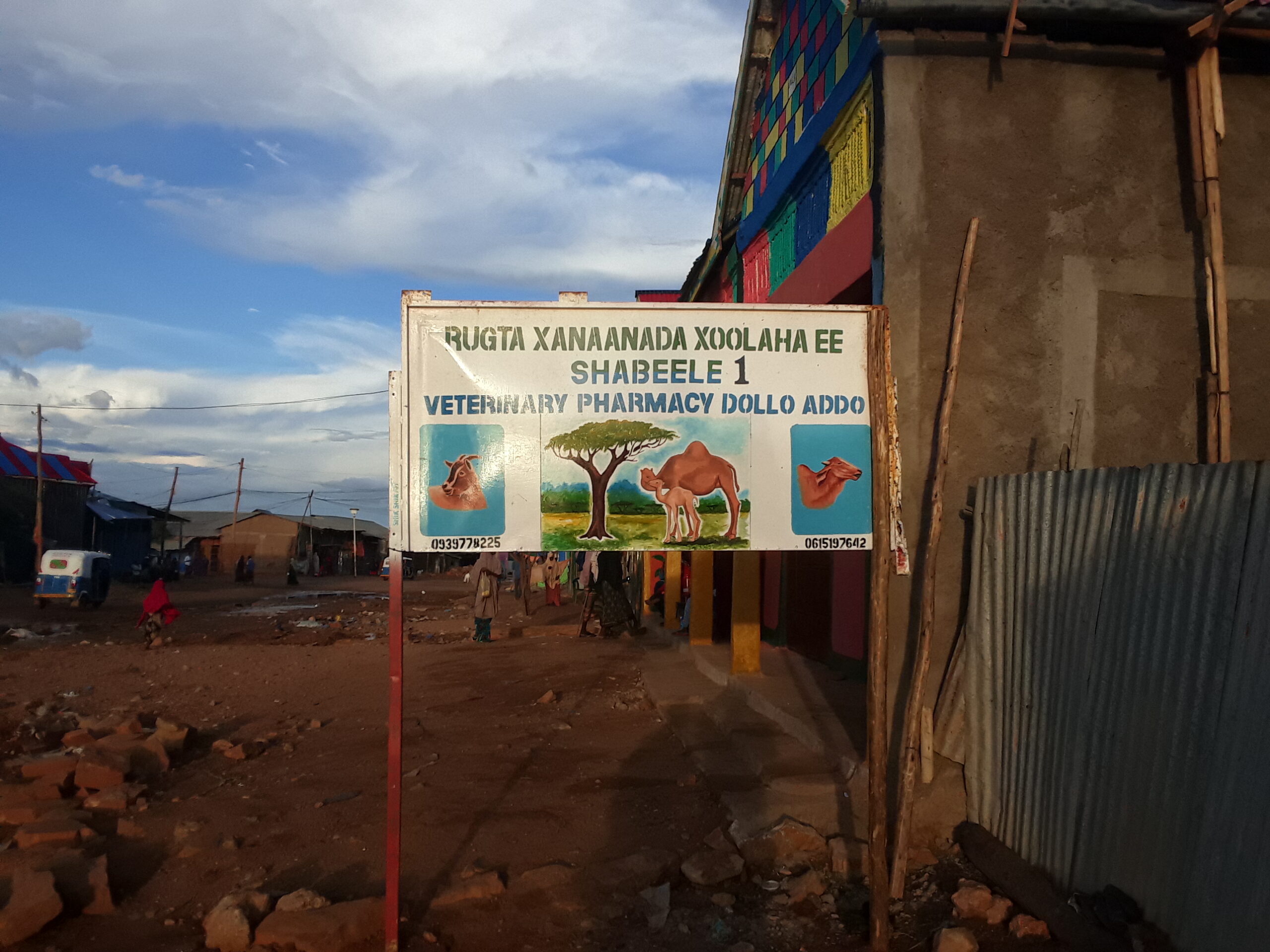
Location: EthiopiaPartner: FCDO (DFID), DAI EuropeYear: 2019SHARPE was a 3.5-year, $24-million GBP project focused on applying a market-systems development approach to benefit refugees and host populations in three regions of Ethiopia: Gambella, Dollo Ado, and Jijiga. SHARPE took a resilience approach that sought to improve the resilience of target market systems and beneficiaries.
South Sudan Country Context and Market Study for AECF’s Investing in Women in South Sudan (IIW-SS)
Location: South SudanPartner: Africa Enterprise Challenge Fund (AECF)Year: 2021The Africa Enterprise Challenge Fund (AECF), a non-profit organization with headquarters in Nairobi, supported early and growth-stage businesses in the agribusiness and renewable energy and adaptation to climate change sectors, with an increasing focus on gender, youth, and employment. The AECF implemented a private sector-led initiative: the Investing in Women of South Sudan (IIW-SS) program in the Republic of South Sudan. This five-year program aimed to enhance women's economic empowerment in the agricultural sector in South Sudan.
SPRING Accelerator
Location: Bangladesh, Ethiopia, Kenya, Myanmar, Nepal, Pakistan, Rwanda, Tanzania, UgandaPartner: USAID, Nike Foundation, FCDO, CoffeyYear: 2015The SPRING Accelerator was a partnership between USAID, DFID, and the Nike Foundation designed to accelerate economic empowerment for girls in parts of Africa and Asia. SPRING supported early-stage enterprises developing products and services that enable girls to safely learn, earn, and save.
Strategic and Monitoring Support to CENPROMYPE
Location: El SalvadorPartner: Centro Regional de Promoción de la MIPYME (CENPROMYPE), Deutsche Gesellschaft für Internationale Zusammenarbeit (GIZ)Year: 2015The Regional Center for the Promotion of Micro, Small, and Medium Enterprises (Centro Regional de Promoción de la MIPYME - CENPROMYPE), an El Salvador-based organization, operated in the eight member countries of the SICA region (El Salvador, Dominican Republic, Honduras, Guatemala, Costa Rica, Belize, Panama, and Nicaragua). CENPROMYPE ran various activities to support the start-up and growth of MSMEs, supported by a range of donors including GIZ.
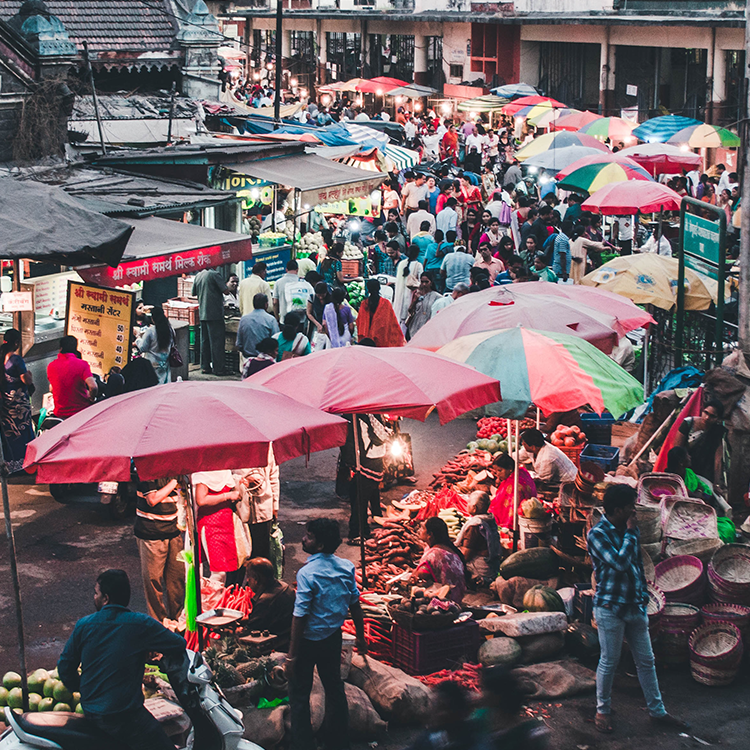
Strengthening Market Systems and Communities Project Market Systems Assessment
Location: BosniaPartner: Caritas SwitzerlandYear: 2025The Strengthening Market Systems and Communities Project – Market Systems Assessment is a rapid, systems‑oriented study designed to inform Caritas Switzerland’s forthcoming livelihoods and local economic development programming in Bosnia and Herzegovina. Implemented across eight municipalities (four legacy and four new), the assessment identifies high‑potential sectors—with a focus on tourism, agrotourism, and small‑scale manufacturing—and analyzes the systemic constraints limiting inclusive economic growth. The assessment adopts a market systems development (MSD) approach to examine how market actors, public institutions, policies, infrastructure, and social norms interact to shape business performance and employment opportunities. Special attention is given to the role of municipalities as facilitators of economic development, opportunities for inter‑municipal collaboration, and pathways to engage women, youth, returnees, and other groups vulnerable to migration. The final output provides actionable, prioritized recommendations to guide Caritas’ intervention design and investment decisions for the next project phase.
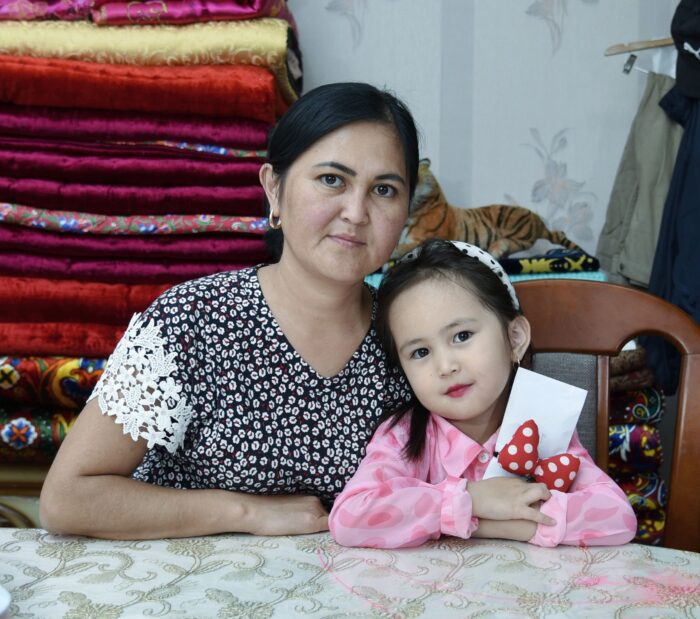
Study on Social Norms Hindering Financial Inclusion and Financial Capability of Consumers in the Kyrgyz Republic and the Republic of Tajikistan
Location: Kyrgyz Republic, TajikistanPartner: International Finance CorporationYear: 2020This study focused on youth, labor migrants and their families, and women in Tajikistan and the Kyrgyz Republic. It provided insights into how individuals manage their finances and save, decision-making roles in the household, and what expenses are considered normal or outside the norm.
Support to Designing M&E Frameworks
Location: Bangladesh, Canada, Jordan, Rwanda, Uganda, USAPartner: Coffey International Development Ltd., Comic ReliefYear: 2014Comic Relief hired Coffey International Development Ltd. to support grant applications on improving their monitoring and evaluation systems. This included guiding each application to complete a self-assessment form of their current capacity in monitoring and evaluation, and then providing tailored support to each application to address key weaknesses.

Support to National Malaria Programme
Location: NigeriaPartner: DFID, Malaria ConsortiumYear: 2008Support to National Malaria Programme (SuNMaP) was an $89-million GBP initiative funded by DFID that ran from 2008 to 2016. The project’s purpose was to reach the general population, especially the poorest and most vulnerable, with evidence-based interventions that would help control the disease and reduce the malaria burden. This included engaging particularly with the private sector to develop market-based strategies.

Supporting IYF to Apply a Market Systems Development Approach to TVET and Construction Sectors
Location: Mozambique, Tanzania, USAPartner: International Youth FoundationYear: 2016In partnership with the Mastercard Foundation, the International Youth Foundation (IYF) implemented Via – pathways to employment, a 5-year program in Mozambique, Tanzania, and Morocco. Via was a program that, applying IYF’s tested Passport to Success (PTS) methodology, aimed to transform the delivery of the public Technical and Vocational Education Training system in each country, to ultimately improve youth’s access to employment and entrepreneurship opportunities.
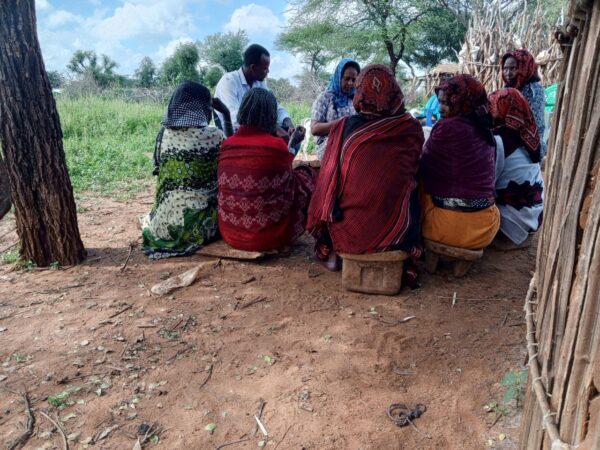
Supporting Pastoralism & Agriculture in Recurrent & Protracted Crises (SPARC)
Location: Ethiopia, KenyaPartner: FCDO, CoWaterYear: 2022The Supporting Pastoralism & Agriculture in Recurrent & Protracted Crises (SPARC) program, funded by FCDO and Implemented by CoWater aimed to enhance the resilience of poor and vulnerable populations in areas facing protracted crises and conflicts by addressing evidence gaps related to the effectiveness of programs and policies supporting agricultural livelihoods.

Supporting the Mastercard Foundation to Synthesize its Learning on Market Systems Development
Location: CanadaPartner: Mastercard FoundationYear: 2017The Mastercard Foundation (MCF) increasingly invested in market systems development to support its aims of youth employment and economic empowerment. To synthesize the learning across its portfolio, build linkages among its implementing partners, and identify directions for future programming and research, MCF decided to hold a learning event called “Cross Learning to Advance Youth Employment” (CLAYE).
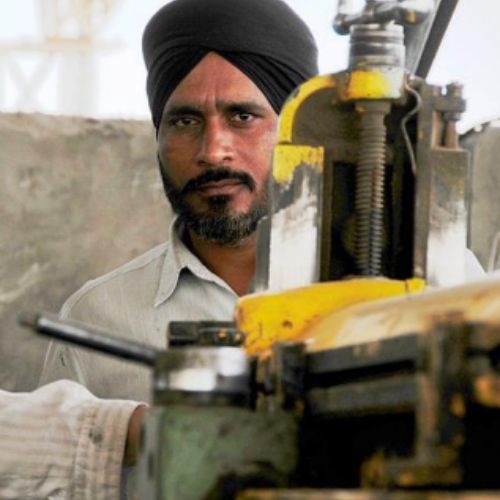
Supporting the Widespread Adoption of a Global Standard for Quality Results Measurement
Location: Canada, the Netherlands, UK, USAPartner: International Finance Corporation (IFC) and the Donor Committee for Enterprise Development (DCED) SecretariatYear: 2013The Donor Committee for Enterprise Development (DCED) was a forum overseen by the International Finance Corporation that consists of bilateral and multilateral funders as well as foundations who fund economic development. In 2009, the DCED developed a cutting-edge quality standard for the monitoring of private sector development programming called the DCED Standard for Results Measurement. The DCED commissioned a consultancy to support the global roll-out of the DCED Standard.
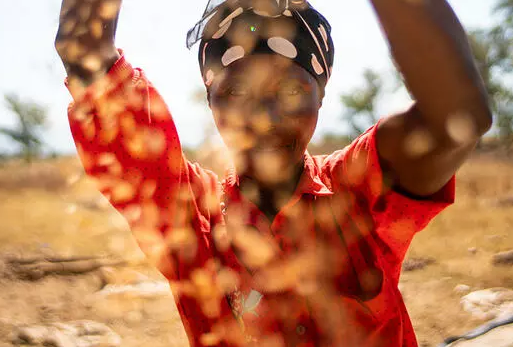
Technoserve Regrow Yirga- Post‑Monetization Impact Study for the USDA Food for Progress
Location: Kenya, Tanzania, UgandaPartner: TechnoServe, USDAYear: 2026The Post‑Monetization Impact Study for the USDA Food for Progress Regrow Yirga Program evaluates the market effects of selling 200,000 MT of U.S.-donated Hard Red Winter (HRW) wheat in Kenya, Tanzania, and Uganda in 2025. The proceeds of this sale funded an extension of TechnoServe’s Regrow Yirga program, which supports Ethiopia’s coffee sector. This study examines whether monetization activities disrupted local agricultural production, displaced commercial wheat trade, or affected storage, logistics, and pricing dynamics in East Africa. Using a mixed‑methods approach—integrating secondary trade data, price trend analysis, and primary interviews—the assessment establishes a baseline market context and analyzes impacts related to supply, demand, market behavior, and operational efficiency. Findings will inform USDA’s compliance with Bellmon requirements and support improved design and evaluation of future monetization activities

Techstars Impact Accelerators
Location: GlobalPartner: TechstarsYear: 2019The +Nature Conservancy Accelerator was a three-month, mentorship-driven program launched in 2018 aimed to give startups access to experts and resources to help them rapidly scale up technology that solved for a sustainable future across food, water, and climate change.
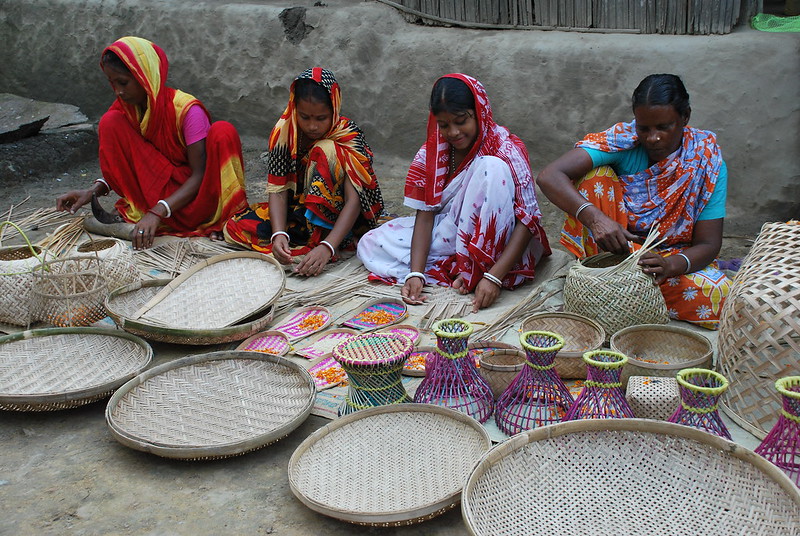
The Bill and Melinda Gates Foundation – Financial Inclusion – Consumer Insight Study and Gender Social Norms Diagnostic
Location: BangladeshPartner: The Bill and Melinda Gates FoundationYear: 2021The main objective of this study was to explore consumer behaviors and dig deep into the social norms that affect women’s financial inclusion in Bangladesh. To this end, the Gates Foundation worked closely with partners to define the common principles for digital financial inclusion, support policymakers in developing sound policies and regulations, and invest in national financial inclusion initiatives. The social norms diagnostic contributed to knowledge production that will help future strategies for addressing the gender gap in financial inclusion in Bangladesh.
The Social Norms Factor: How Gendered Social Norms Influence How We Empower Women in Markets Systems Development
Location: Bangladesh, Sierra LeonePartner: Global Affairs Canada, IFC, WUSC, CECIYear: 2015The BEAM Exchange was launched in 2014 with funding from the UK Department for International Development and the Swiss Agency for Development and Cooperation. The BEAM Exchange aimed to “deepen understanding by practitioners and policy advisers in donor agencies of how market system approaches can be applied.” One key research topic within the BEAM Exchange learning agenda was studying the application of systems approaches that achieves the economic empowerment of women.
Thematic Evaluation of the VSF-B Support to Vulnerable Household Approach
Location: Burundi, UgandaPartner: VSF - BelgiumYear: 2025The Thematic Evaluation of the VSF‑Belgium (VSF‑B) Support to Vulnerable Households Approach assessed the mid-term performance of VSF‑B’s five-year programme, “The One Health approach for the sustainable well-being of communities dependent on family livestock farming” (2022–2026), implemented in Uganda and Burundi. The evaluation examined how the programme contributed to reducing household vulnerability and strengthening resilience across five livelihood capitals—human, social, financial, physical, and natural. Using a participatory, gender- and environment-responsive methodology, the evaluation generated comparative insights across countries and programme phases, identified key drivers of change, and produced actionable lessons to inform VSF‑B’s next strategic cycle (2027–2031).

Trade Facilitation and Custom Support Programme (Tasdeer)
Location: PalestinePartner: FCDO, CoWater InternationalYear: 2020Tasdeer, a 4.5-year, £15-million development program funded by the United Kingdom’s Foreign, Commonwealth, and Development Office (FCDO), aimed to facilitate reaching an inclusive and sustainable export-led growth from the Occupied Palestinian Territories (OPTs). The program, implemented by Cowater International, worked to support trade-related institutions and private sector businesses to better move goods and services across borders and to increase the revenues from trade-related taxes the Palestinian Authority received.
TradeMark East Africa and Local Institutional Capacity Building
Location: Burundi, Kenya, Rwanda, Tanzania, UgandaPartner: TradeMark East Africa, Uganda Revenue Authority, the Kenya Revenue Authority, the Kenya Bureau of Standards, the Kenya Association of Manufacturers, the Fresh Produce Exporters Association of Kenya, the East Africa Tea Traders Association, the Port of Dar es Salaam, and the Port of Mombasa.Year: 2013TradeMark East Africa (TMEA) was a locally registered $550-million initiative facilitating trade between Kenya, Tanzania, Uganda, Rwanda, Burundi, South Sudan, Somaliland, Somalia, Ethiopia, DRC, and the world. Its three strategic objectives included supporting agricultural sector growth and increased food production that contributed to greater exports, creating the infrastructure that supports trade (e.g., ports, roads, border crossings), and supporting the systems and procedures for regional integration (e.g., reducing non-tariff barriers, improving customs software).
TradeMark East Africa Results Meter
Partner: Project Economics Consulting, TradeMark East Africa Year: 2014In 2013 Trademark East Africa (TMEA) introduced the Results Meter, a framework and tool that could be used to measure performance against TMEA’s primary goals. The Results Meter was intended to measure improvements in containerized transport times between African Ports and Kigali/Bujumbura that were attributable to TMEA interventions and determine how current improvements compare to TMEA’s 15% improvement goal.
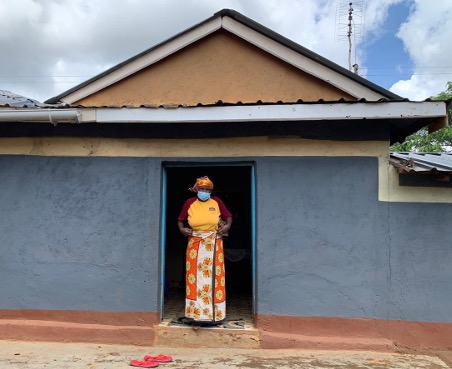
Understanding Social Norms in Housing Market Systems
Location: India, Kenya, PeruPartner: Habitat for Humanity Terwilliger Center for Innovation in Shelter Year: 2018The Terwilliger Center worked to create a vibrant marketplace of housing choices leading to solutions that help low-income households improve their shelter in Peru, Kenya, and India. An outcome of this work was consumers were able to find affordable, high-quality, environmentally friendly products and services designed with their needs in mind. To accomplish this, the project worked with housing market actors to address housing access challenges amongst low-income households.
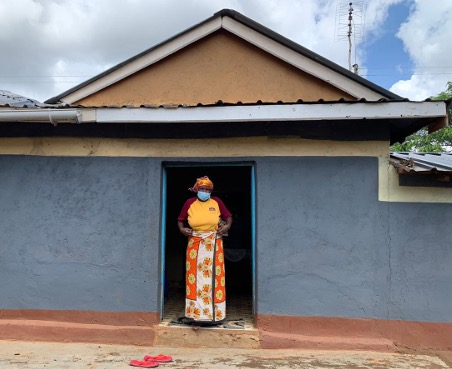
Understanding Social Norms in Housing Market Systems Phase 2: Gender and Housing Finance: Harvesting the Outcomes
Location: India, Kenya, PeruPartner: CGAP World BankYear: 2020The Terwilliger Center worked to create a vibrant marketplace of housing choices, which led to solutions that help low-income households improve their shelter in Peru, Kenya, and India. Building on MSA’s previous study about social norms in housing market systems, this second phase used an outcome harvest methodology to explore the links between women’s empowerment and housing finance, especially housing microfinance as provided by Habitat for Humanity’s partners in Kenya.

United Nations High Commission for Refugees Market Analysis in Peru
Location: PeruPartner: UNHCRYear: 2017This project was a market analysis to improve economic opportunities for refugees in Peru.
Uniterra: Design and implementation of Global Market Systems Program for Women and Youth
Location: Cambodia, Guatemala, VietnamPartner: World University Service of Canada (WUSC), Center for International Studies and Cooperation (CECI) and Global Affairs Canada (GAC)Year: 2014The Uniterra program, a $125M partnership between World University Service of Canada (WUSC) and the Center for International Studies and Cooperation (CECI), promoted the employment and entrepreneurship of young women and men by focusing on the development of key economic subsectors through an inclusive market systems approach.
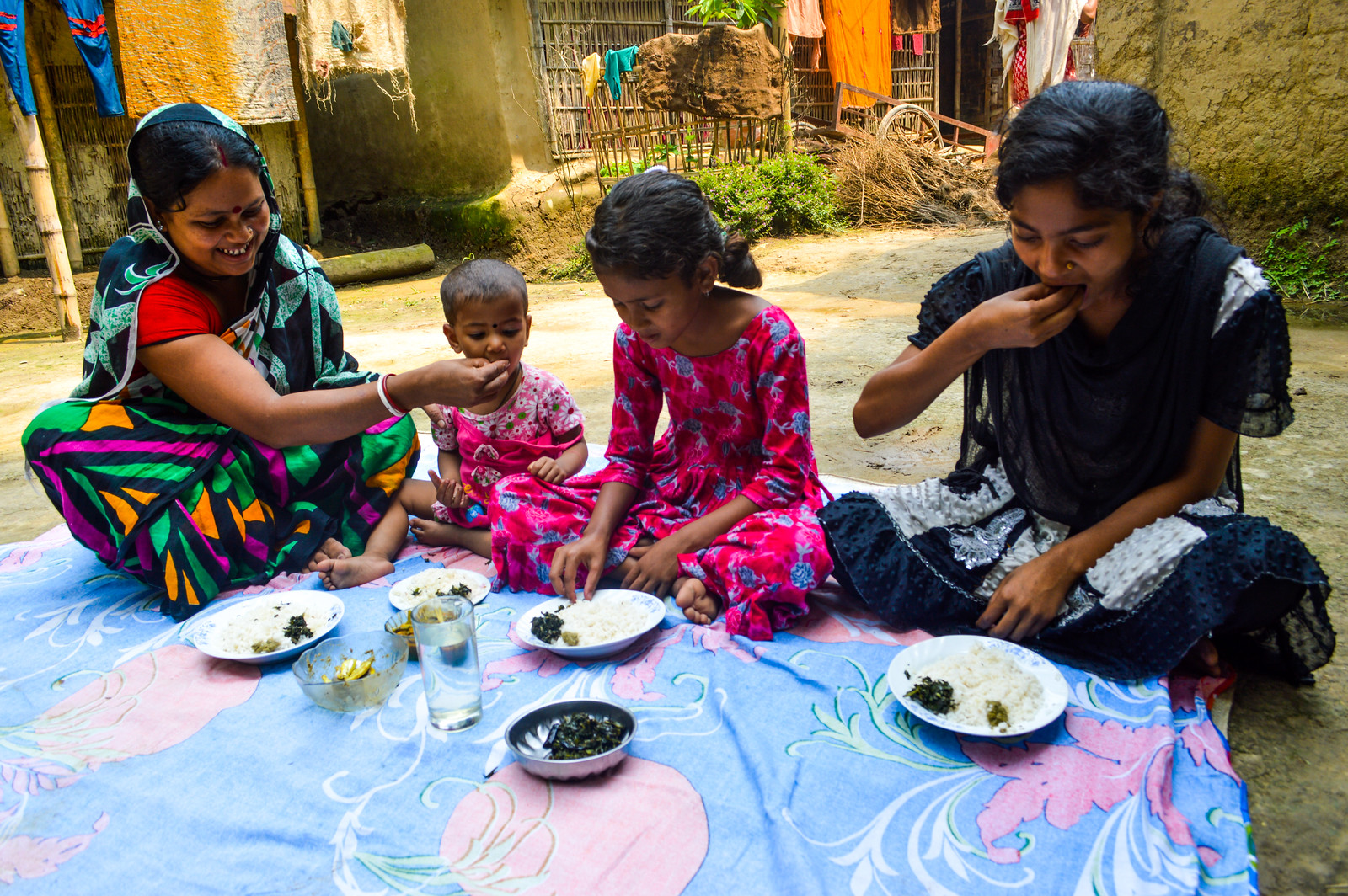
USAID Feed the Future Bangladesh Nutrition Activity
Location: BangladeshPartner: USAID, AbtYear: 2024The USAID Feed the Future Bangladesh Nutrition Activity aims to contribute to improvements in nutrition outcomes of household members, with an emphasis on children under the age of five years, pregnant and lactating women, and adolescent girls and boys. Integrating a strong focus on gender equality and social, the Activity uses a two-pronged approach — social and behavior change (SBC) and market systems development (MSD) — to catalyze sustainable change in nutrition outcomes through local actors and systems.
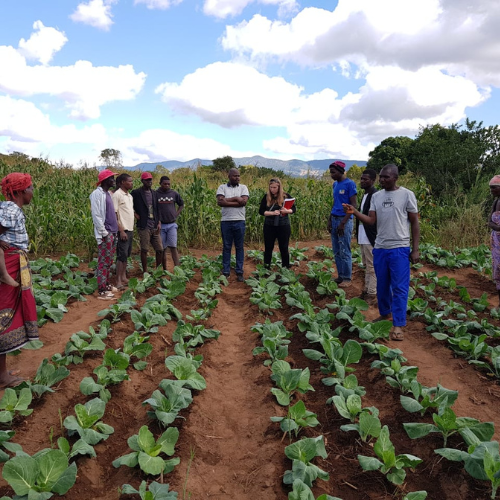
USAID Feed the Future Inova
Location: MozambiquePartner: USAID, DAIYear: 2017Inova was a $21-million, USAID-funded (and former Feed the Future) initiative operating in Mozambique. Started under Feed the Future, Inova’s objectives were to improve the competitiveness of targeted agricultural sub-sectors, strengthen target agricultural value chains, and improving the livelihoods of tens of thousands of smallholder farmers spread across multiple provinces of Mozambique.
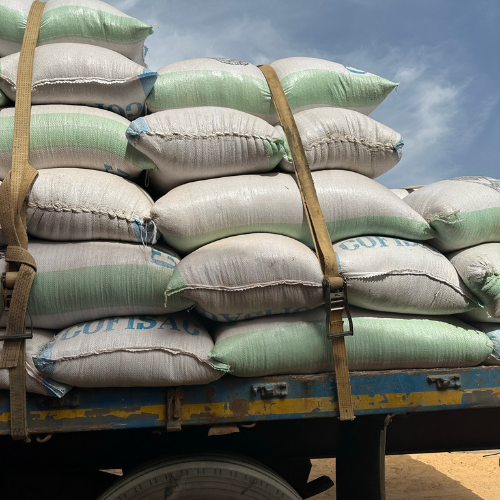
USAID Feed the Future Market Systems and Partnerships
Location: Bangladesh, Democratic Republic of the Congo, Ghana, Kenya, Mozambique, Pakistan, Senegal, Tanzania, USAPartner: USAID, DAIYear: 2020The USAID Feed the Future Market Systems and Partnerships (MSP) Activity is a global learning mechanism for advancing learning and good practice in market systems development (MSD) and private sector engagement (PSE) within USAID, its partners, and beyond. MSP sought to improve the effectiveness of Feed the Future, USAID, and other USG programs, leading to sustained development outcomes at scale.
USAID Feed the Future Market Systems and Partnerships (MSP): SME-Level Learning and Systems Change Learning Brief
Location: Global, USAPartner: USAID, DAIYear: 2022The Feed the Future Market Systems and Partnerships (MSP) Activity advanced learning and good practice in market systems development (MSD) and private sector engagement (PSE) within USAID, its partners, and beyond. MSP supported USAID to bring about a major cultural and operational transformation by integrating PSE across all activities, while at the same time deepening market systems development and facilitative approaches across the program cycle.
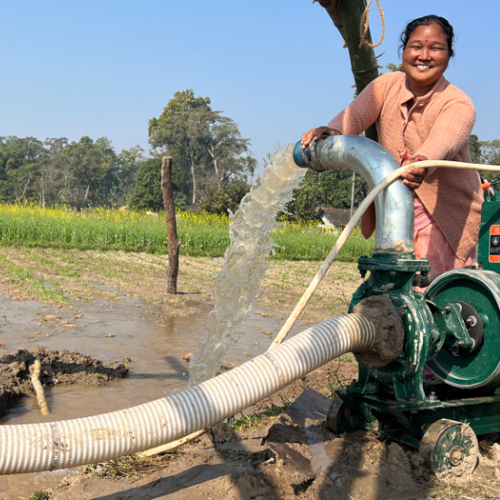
USAID Feed the Future Nepal Agricultural Inputs
Location: NepalPartner: USAID, Winrock InternationalYear: 2023The USAID Feed the Future Nepal Agricultural Inputs Activity aims to increase the availability, accessibility, and use of agricultural inputs and technology to improve agricultural productivity in Nepal. It focuses on four critical agricultural inputs – seed, fertilizer, irrigation, and agricultural mechanization – in 16 districts from the Sudurpaschim, Karnali, Lumbini, Bagmati, and Madhesh provinces.
USAID Feed the Future RESINA
Location: MozambiquePartner: USAID, ACDI/VOCAYear: 2022The USAID-funded Feed the Future Mozambique Resiliência Integrada na Nutrição e Agricultura (RESINA) Activity was a five-year initiative to improve resilience of smallholder farmers and rural households in target districts in the Nampula and Zambezia provinces of Mozambique.
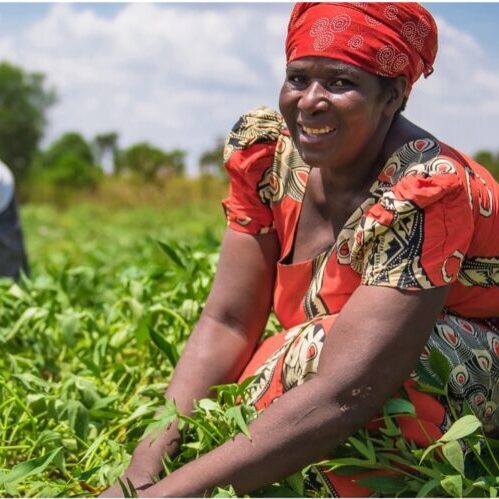
USAID Feed the Future Rwanda Hinga Wunguke Activity
Location: RwandaPartner: USAID, Cultivating New Frontiers in Agriculture (CNFA)Year: 2022The USAID/Rwanda Hinga Wunguke Activity is a $29.75-million activity implemented by CNFA in collaboration with MarketShare Associates primarily in the Feed the Future (FTF) Zone of Influence (ZOI) in Rwanda. The overall objective of Hinga Wunguke is to increase incomes and improve nutritional outcomes, by sustainably increasing agricultural productivity, and strengthen domestic consumption and markets for high-value and nutritious agricultural products.
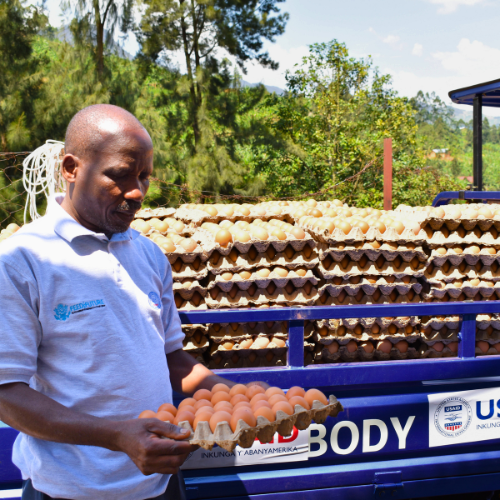
USAID Feed the Future Rwanda Orora Wihaze
Location: RwandaPartner: USAID, Land O'Lakes Venture37Year: 2019Orora Wihaze, a $15-million program, utilized a market-systems approach to facilitate the introduction of new practices that will contribute to the goal of increasing the consumption of animal-sourced foods in Rwanda from selected value chains, including fish, pigs, poultry, and shoats (goats and sheep).
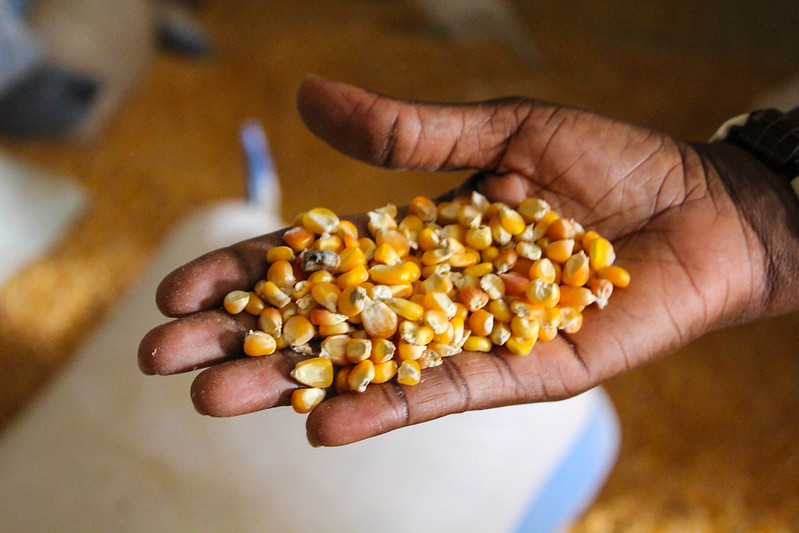
USAID Feed the Future Senegal Value Chain Services (VCS) / Dooleel Mbay
Location: SenegalPartner: USAID, RTIYear: 2022The VCS activity aimed to increase rural incomes and reduce poverty through an inclusive and sustainable market-systems approach, reaching 170,000 households and 230,000 micro, small, and medium enterprises (MSMEs) in the FTF ZOI. Over the performance period, the VCS activity aimed to boost dissemination and access to productivity-enhancing technologies that facilitated market integration and investment in further growth that benefited the targeted rural populations.
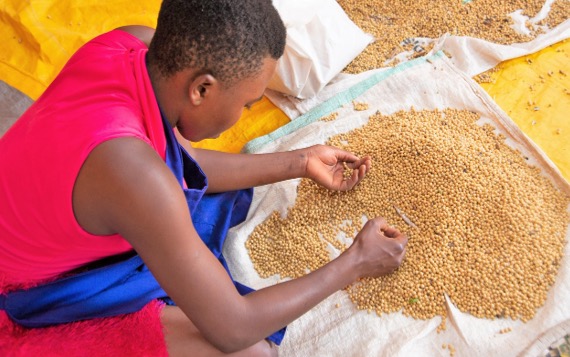
USAID Feed the Future Uganda Inclusive Agricultural Markets (IAM) Activity
Location: UgandaPartner: USAID, DAIYear: 2019The Uganda Inclusive Agricultural Markets Activity was a five-year project that sought to increase incomes and improve the livelihoods of households through agricultural-led inclusive economic growth in the 38 FtF focus districts in Uganda.
USAID Feed the Future Water and Food Systems
Location: UgandaPartner: USAID, DAIYear: 2023The USAID WFS Activity aims to improve the security and resilience of water and food systems in Uganda’s northeastern Kyoga Basin. Operating in the Lokok, Awoja, and Lokere watersheds, the Activity takes a market-based approach as it works with local communities and individuals to build resilience to shocks and stressors such as climate change and conflict that endanger local food and water systems.
USAID Feed the Future Water and Food Systems for Resilient Communities Activity
Location: UgandaPartner: USAID, DAIYear: 2023WFSRCA aimed to improve the security and resilience of water and food systems in Uganda’s northeastern Kyoga Basin. Operating in the Lokok, Awoja, and Lokere watersheds, the Activity took a market-based approach as it worked with local communities and individuals to build resilience to shocks and stressors, such as climate change and conflict, that endanger local food and water systems.
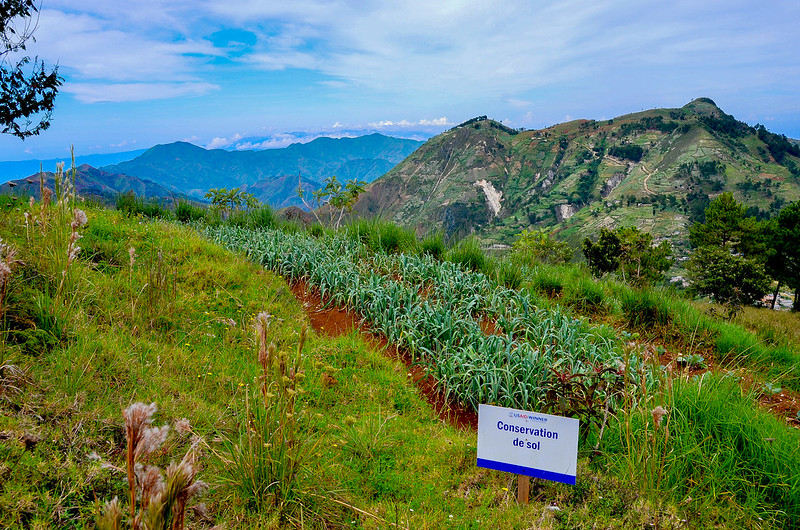
USAID Haiti Resilience and Agriculture Sector Advancement
Location: HaitiPartner: USAID, DAIYear: 2023The Feed the Future Haiti Resilience and Agriculture Sector Advancement (HRASA) Activity was a five-year, USAID-funded initiative implemented by DAI Global, LLC, in collaboration with Haitian partners, that focused on enhancing individual, household, and community resilience through strengthened market systems.
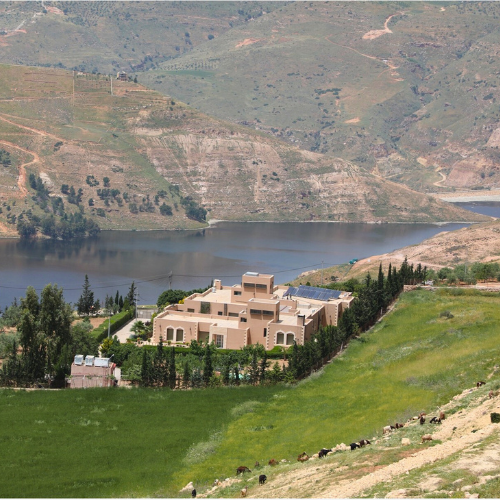
USAID Jordan Water Efficiency and Conservation
Location: JordanPartner: USAID Jordan, TetraTechYear: 2022The WEC Activity contributes to USAID/Jordan’s Country Development Cooperation Strategy’s (CDC: 2020-2025) five-year goals of supporting Jordan to advance its stability, prosperity, and self-reliance by spurring private sector-led economic growth, improving water security, strengthening accountable governance, fostering a healthy, well-educated population, and enhancing the agency and leadership of women and youth.
USAID Leveraging Economic Opportunities
Location: Bangladesh, Cambodia, RwandaPartner: ACDI/VOCAYear: 2016Leveraging Economic Opportunities (LEO) was USAID’s three-year research initiative to better understand how to best spark economic growth.
WUSC MERL Strategy Review
Location: CanadaPartner: World University Service of Canada (WUSC) Year: 2025This project supports World University Service of Canada (WUSC) in reviewing and strengthening its Monitoring, Evaluation, Research and Learning (MERL) Strategy to align with the organization’s 2030 Strategic Plan and its emphasis on evidence‑based impact and learning. The assignment focuses on assessing existing global MERL strategy, Theory of Change, indicators, tools, processes, and MERL resources, and identifying ways to improve all aspects of the MERL system with an emphasis on systemic change measurement and revamping the learning function for program improvement. Through a phased and consultative process, engaging leadership and technical teams, the project delivered practical, learning‑centered recommendations for a new MERL strategy that enhance WUSC’s ability to use evidence for decision‑making, program improvement, and communicating impact to external stakeholders.
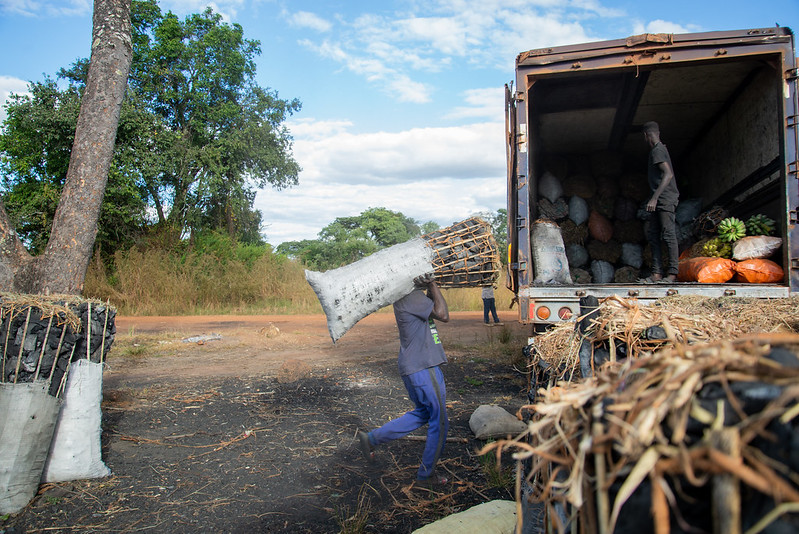
Yapasa
Location: ZambiaPartner: International Labour Organization, Food and Agriculture OrganizationYear: 2018Yapasa was a joint United Nations program between the International Labour Organization and the Food and Agriculture Organization that took a market-facilitation approach to promote decent jobs for rural youth and improved food security through the development of sustainable rural enterprises.