Impact Evaluation – IKEA Foundation & GIZ- Women’s Employment for Development (WE4D) Kenya
Kenya | 2025 - 2028
Client: IKEA Foundation, GIZ
Service: Research, Evaluation, Strategic Advisory
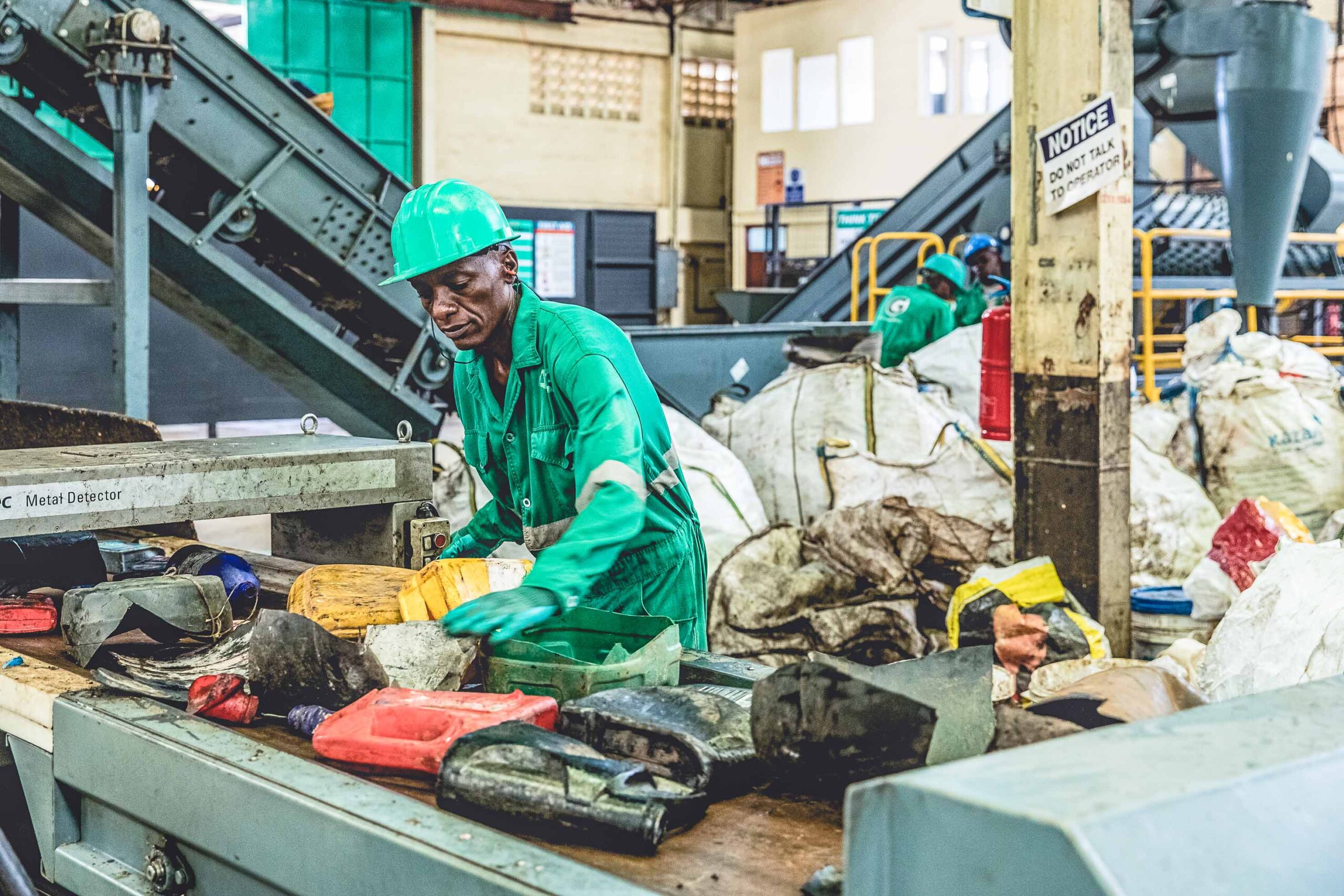
Kenya's waste management sector is both an environmental challenge and an economic opportunity, but whether circular economy interventions can systematically generate sustainable livelihoods for women-led enterprises remains an open question. Answering it requires a rigorous, multi-year evaluation built to capture complexity and produce evidence that is useful for adaptation, not just reporting. Partnering with IKEA Foundation and Deutsche Gesellschaft für Internationale Zusammenarbeit (GIZ), MSA is leading a multi-year impact evaluation under the WE4D Kenya program focused on how circular economy interventions can generate sustainable employment and economic opportunities for women-led MSMEs.
Working within Kenya’s waste management and circular economy sectors, MSA is delivering a rigorous mixed-methods evaluation to assess the project’s effectiveness, sustainability, and contribution to inclusive green growth. Our role includes: ● Designing and implementing a three-year mixed-methods evaluation across baseline, midline, and endline stages ● Assessing outcomes related to employment, enterprise growth, income generation, business formalization, and productivity improvements ● Evaluating how circular economy approaches contribute to waste reduction, resource efficiency, and more sustainable market systems ● Testing key assumptions within the project’s Theory of Change to understand what interventions work, for whom, and under what conditions ● Generating actionable insights for adaptive management and future scaling decisions within IKEA Foundation’s stage-gated funding approach ● Facilitating learning and reflection through convenings with implementing partners and stakeholders throughout the evaluation process, Through this work, MSA is helping build evidence on how climate-focused enterprise support and circular economy systems can create more inclusive and resilient economic opportunities while contributing to sustainable waste management and environmental outcomes.