


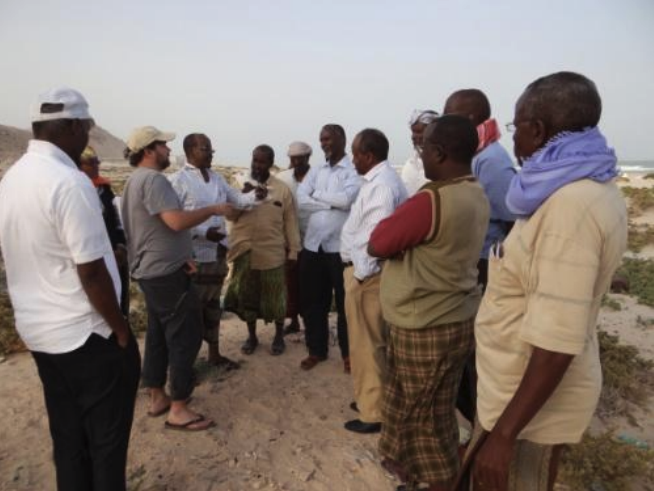
Practical Guidelines for Measuring Achievements in Private Sector Development in Conflict-Affected Environments: A Case Study of the Sustainable Employment and Economic Development (SEED) Programme in Somalia
- Partner: Donor Committee for Enterprise Development (DCED)
- Publication Type: Case Study
- Date: August 2013
This case study supplements the DCED Practical Guidelines for Measuring Achievements in Private Sector Development in Conflict-Affected Environments (CAEs). It examines the Sustainable Employment and Economic Development (SEED) programme in Somalia, which explicitly aims to reduce conflict through employment promotion, and develop a conflict sensitive results measurement system.
Read More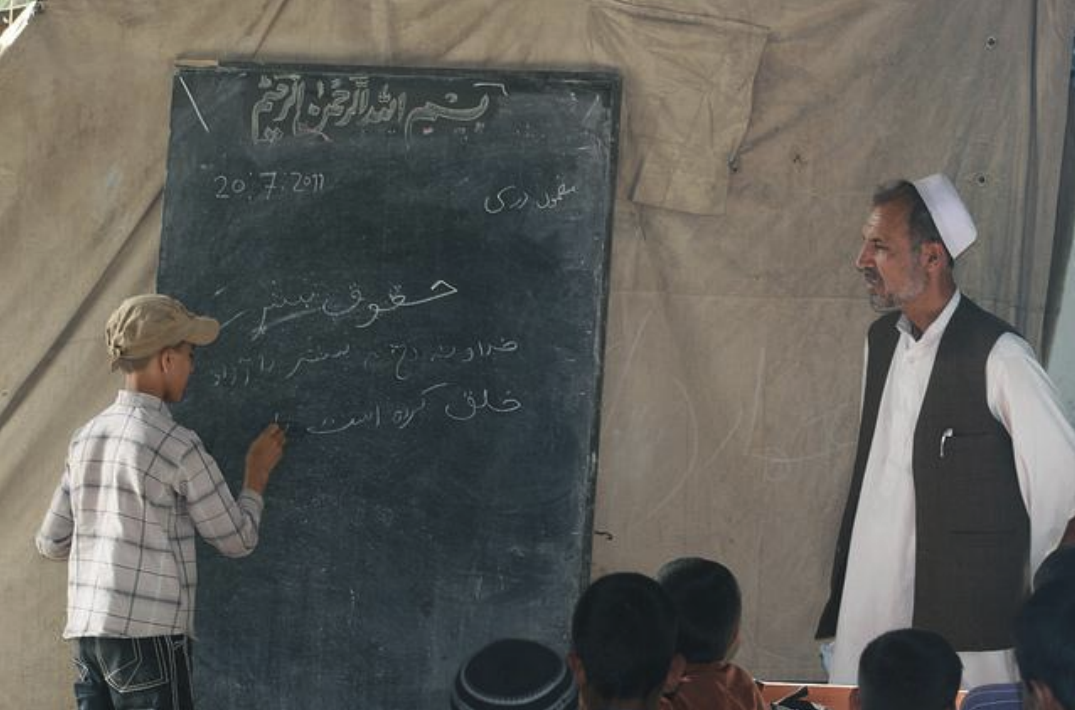
Incorporating Supplementary Literacy and Numeracy Classes: Findings from STRIVE’s Afghan Secure Futures Program
- Partner: Mennonite Economic Development Associates (MEDA), United States Agency for International Development (USAID), and FHI360
- Publication Type: Report
- Date: June 2013
STRIVE has implemented four field projects in Africa and Asia between 2008 and 2013. Each project has pursued a unique economic strengthening approach, ranging from savings-led finance to workforce development to value chain interventions. This report summarizes the findings of one of four STRIVE-funded initiatives, MEDA’s Afghan Secure Futures (ASF) project. ASF focused on benefiting youth apprentices working in workshops in the Afghan construction sector, in part by facilitating their access to supplementary literacy and numeracy training.
Read More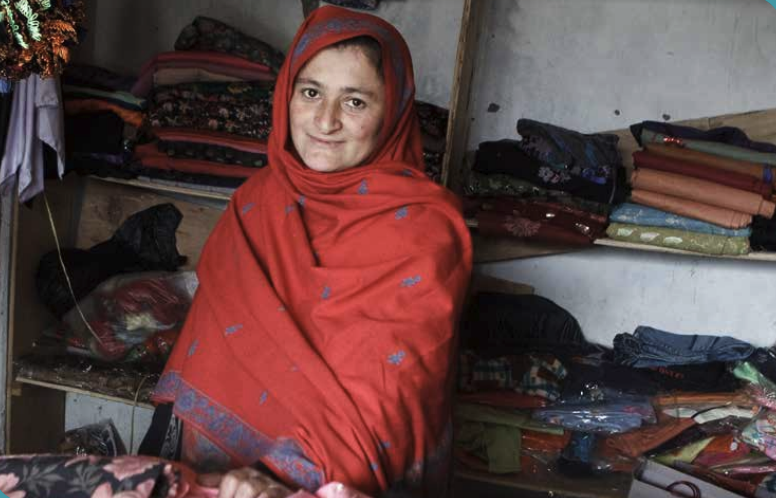
Investing in Young People: A Start-up Toolkit for Youth Employability Projects
- Partner: Aga Khan Foundation Canada (AKFC)
- Publication Type: Toolkit
- Date: 2013
The Start-up Toolkit for Youth Employability Projects provides valuable tools and lessons learned for development practitioners engaged in developing and/or facilitating employment and entrepreneurship projects for young people.
Read More
Markets and Poverty in Northern Kenya: Towards a Financial Graduation Model
- Partner: Financial Sector Deepening (FSD) Kenya
- Publication Type: Report
- Date: September 2012
This preliminary scoping study presents the outcome of an analytical review of markets and poverty in northern Kenya. It begins with a definition of financial graduation models tracing the evolution of approaches and pathways out of poverty which have informed these models. The subsequent sections provide an analysis of poverty and different livelihoods in northern Kenya. Finally, the value chains approach is used to identify promising interventions for developing markets and enabling the very poor to engage in them.
Read More
Integrating Food Security and the Value Chain Approach
- Partner: United States Agency for International Development (USAID)
- Publication Type: Brief
- Date: March 2012
Food security is a common issue across many contexts where a value chain approach is employed. This briefing paper identifies challenges, solutions and emerging good practices in using the value chain approach to improve food security. It focuses on the synergies where the value chain approach can contribute towards food security objectives and vice versa.
Read More
Pathways Out of Poverty: Tools for Value Chain Development Practitioners
- Partner: ACDI/VOCA and United States Agency for International Development (USAID)
- Publication Type: Toolkit
- Date: January 2012
This toolkit equips value chain development programmers with a set of tools that can be used for situation assessments, value chain selection and value chain analysis. The document presents an overview of each tool listed, including a brief description of its relevance to reaching the very poor in the context of a value chain development program. It also presents brief examples of how each tool can be applied and used to inform programming decisions.
Read More
Pathways out of Poverty Case Study: Savings Groups on the Pathway to Graduation: PSNP Plus in Ethiopia
- Partner: ACDI/VOCA, United States Agency for International Development (USAID)
- Publication Type: Case Study
- Date: January 2012
This is one in a series of USAID-commissioned case studies that examined interventions and approaches to creating pathways out of poverty that “pushed” the very poor towards productive engagement in markets and/or “pulled” the poor into markets. This case study looks at how the PSNP Plus project in Ethiopia piloted interventions to sustainably graduate households from dependence on cash and food transfers.
Read More
Pathways Out of Poverty: Applying Key Principles of the Value Chain Approach to Reach the Very Poor
- Partner: United States Agency for International Development (USAID)
- Publication Type: Report
- Date: December 2011
This discussion paper provides guidance on how value chain and market development core principles can be adopted when working directly with the very poor. This paper is applicable to initiatives aiming to ‘reach down’ further and include the very poor in—or graduate the very poor more intentionally into—economic growth interventions, thereby creating a “pathway out of poverty.”
Read More
Livelihood & Food Security Conceptual Framework
- Partner: Livelihoods and Food Security Technical Assistance (LIFT) / United States Agency for International Development (USAID)
- Publication Type: Report
- Date: August 2011
The relationship between livelihoods and food security is complex and is influenced by a wide variety of factors that vary in importance across contexts and over time. This document presents a conceptual framework for integrating sustainable, market-driven livelihood strengthening into food security interventions.
Read More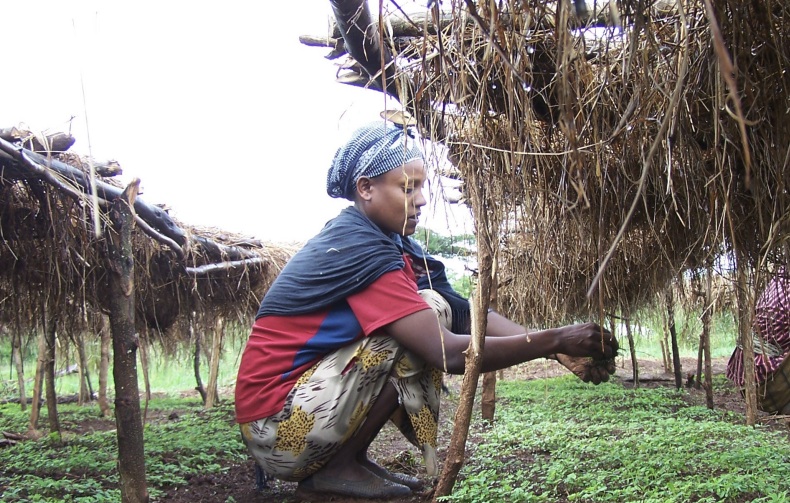
Assessment of USAID/PEPFAR’s Economic Strengthening Programs in Ethiopia: August 2010 – October 2010
- Partner: Livelihoods and Food Security Technical Assistance (LIFT) / United States Agency for International Development (USAID)
- Publication Type: Report
- Date: April 2011
This paper presents an assessment conducted by the Livelihoods and Food Security Technical Assistance (LIFT) project of USAID Ethiopia’s economic strengthening (ES) activities within the office’s HIV/AIDS portfolio. This report contains the assessment findings together with recommendations for USAID/PEPFAR Ethiopia to support program activities. The goal of this assessment was to help mitigate the impacts of HIV/AIDS in Ethiopia by improving the quality and impact of ES interventions.
Read More